Barber Qualities for Cutting Kids Hair: 2026 Guide

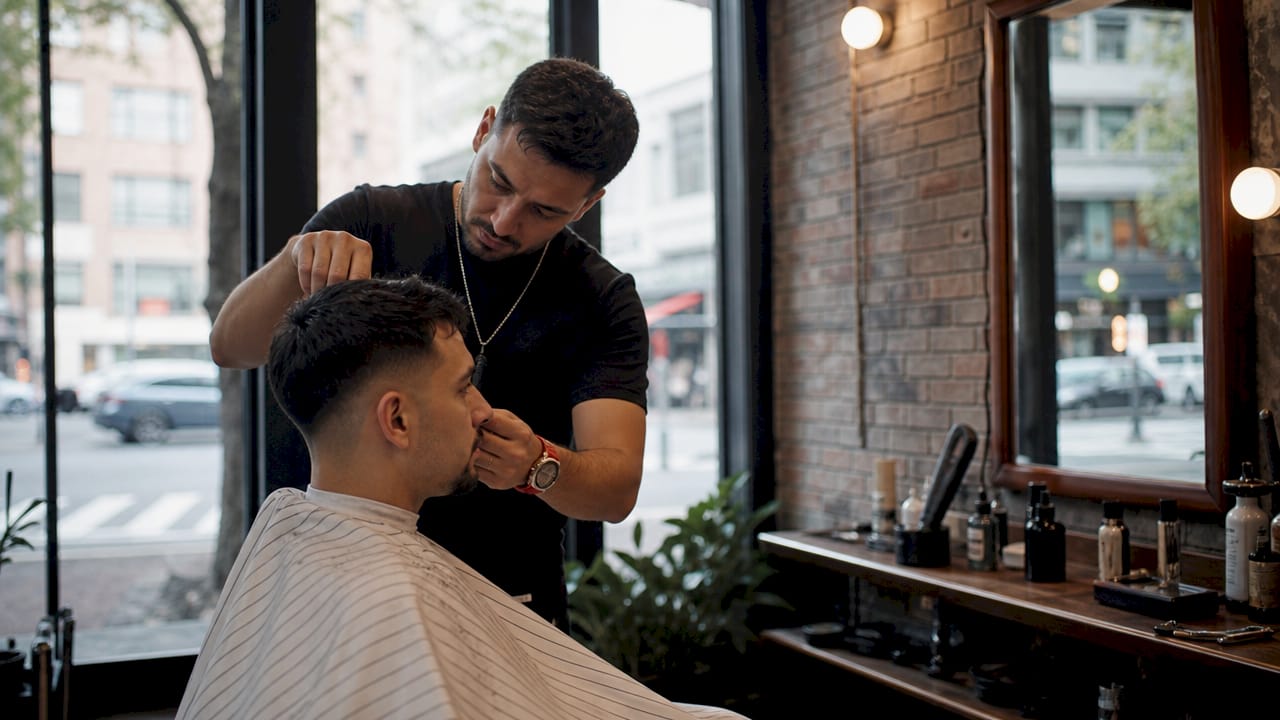
A skilled barber for children is defined by equal parts technical precision and emotional intelligence, not just the ability to hold scissors. The barber qualities for cutting kids hair go well beyond a clean fade or a straight line. Children bring unpredictable movement, sensory sensitivities, and real anxiety to the chair. The right barber reads those cues, adjusts on the fly, and turns what could be a stressful ordeal into a positive memory. This guide breaks down every trait worth looking for, so you can walk into any shop knowing exactly what to expect and what to demand.
1. Barber qualities for cutting kids hair start with patience
Patience is the single most visible quality separating a great kids barber from an average one. Children fidget, ask questions mid-cut, and sometimes freeze up entirely. A barber who rushes through those moments creates tension that makes everything worse.
The best barbers treat patience as a technique, not a personality trait. They build in pauses, narrate each step before doing it, and never react with frustration when a child shifts unexpectedly. Parents consistently report that how a barber treats the child matters more to them than the final haircut result. That single fact should reframe how you evaluate any barber you consider for your child.
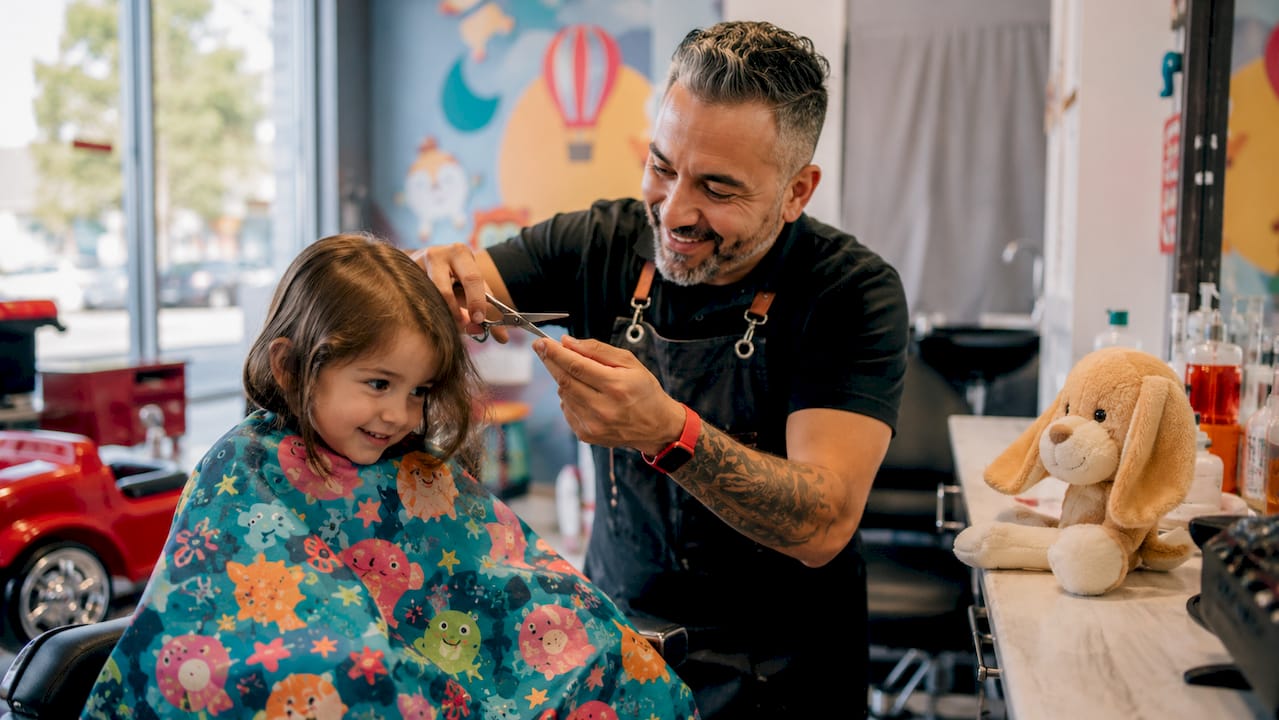
Pro Tip: Watch how a barber reacts the first time your child moves suddenly. A calm reset, not a sharp correction, is the sign you want.
2. Clear, simple communication builds trust with both child and parent
A children’s barber who explains each step in plain language gives kids a sense of control. “I’m going to use the buzzer near your ear now. It’s loud but it won’t hurt.” That one sentence can prevent a meltdown. Communication is a core barber skill for young clients that most parents underestimate until they see it done well.
Communication also runs in both directions. Before the cut begins, the barber should ask you about your child’s sensory triggers, preferred length, and past experiences. Salons that store client notes and advise parents to bring comfort items like favorite toys or snacks show a level of preparation that directly reduces chair-side anxiety. That kind of intake process is a strong signal that the shop takes kids seriously.
3. Sensory awareness and adaptability for children with special needs
Sensory sensitivity is one of the most underappreciated traits of a children’s barber. For neurodivergent children, the sound of clippers, the feel of a cape, or the smell of product can trigger genuine distress. A barber without sensory training will misread that distress as defiance or immaturity.
Henry Amoloja, founder of Trimmy’s in Dallas, serves 60 neurodivergent children monthly using quiet clippers, weighted capes, sensory toys, and step-by-step modeling of each action before performing it. His approach proves that sensory accommodation is a replicable system, not a rare gift. The key is that tools and techniques are customized per child rather than applied uniformly. A weighted cape that calms one child may feel restrictive to another.
Adaptability also means knowing when to stop. Barbers trained to recognize limits and pivot mid-appointment prioritize flexibility over a perfect finish. An incomplete haircut that ends calmly is a better outcome than a finished cut that ends in tears.
“The best kids barbers regulate the appointment experience, not just the haircut technique, adjusting pace and environment dynamically.” — American Salon
Pro Tip: Ask any prospective barber directly: “What do you do when a child becomes overwhelmed mid-cut?” The answer tells you everything about their training and temperament.
4. Technical skills specific to children’s hair and scalps
Children’s hair is structurally different from adult hair. It tends to be finer, softer, and more prone to tangling. Young scalps are also more sensitive to pressure and heat. A barber who applies adult-level tension to fine hair risks breakage, discomfort, and a result that looks uneven within days.
Here are the core technical skills that define a qualified kids barber:
Gentle scalp handling. Light tension when combing and cutting prevents pain and keeps the child still naturally.
Clipper guard selection. Using the correct guard length on fine hair avoids the patchy look that comes from treating kids’ hair like coarser adult hair.
Scissor-over-comb control. Many children respond better to scissors than clippers. A barber comfortable with both gives you more options.
Speed balanced with care. Faster cuts reduce fidget time, but not at the cost of precision. The best barbers develop an efficient rhythm through repetition with young clients.
Safe, child-friendly products. Fragrance-free finishing products and talcum powder instead of alcohol-based aftershave protect sensitive skin and avoid sensory triggers.
A gentle approach, clean tools, and an organized workstation are details parents notice and remember. They signal professionalism and care in equal measure. You can learn more about what separates skilled barbers by reviewing key barber skill signs before your next appointment.
5. A child-friendly atmosphere that reduces anxiety before the cut begins
The environment a barbershop creates shapes a child’s experience before the barber even picks up a tool. Harsh lighting, loud music, and crowded waiting areas all raise baseline stress. A shop designed with children in mind removes those triggers before the appointment starts.
Environment factor | Child-friendly approach | Standard shop approach |
Noise level | Quiet clippers, low music, one client at a time | Multiple stations running simultaneously |
Lighting | Soft, warm lighting | Bright overhead fluorescents |
Waiting area | Toys, books, or a screen for distraction | Adult magazines, no child amenities |
Scheduling | Extended appointment blocks | Standard 15-minute slots |
Cape options | Weighted or lightweight capes available | Single standard cape |
One salon owner in Lewiston blocks 30 minutes per child despite haircuts that take two minutes, using calming music and single-client sessions to keep anxiety low. That scheduling philosophy is a direct investment in the child’s comfort. A welcoming barbershop atmosphere is not decoration. It is a functional part of the service.
Child-themed décor, a small toy basket, and a screen showing cartoons are not gimmicks. They give children a focal point that keeps their head still and their mind occupied. Shops that invest in these details are signaling that they have thought carefully about the child’s experience, not just the adult’s.
6. Managing parent anxiety as part of the service
Parental anxiety directly affects how a child behaves in the chair. Children read their parents’ body language constantly. A tense parent produces a tense child. Barbers who conduct preliminary phone consultations and actively manage the parent’s comfort level are addressing the child’s experience indirectly but powerfully.
This means the barber should greet you warmly, ask questions before the child sits down, and give you a clear picture of what the appointment will look like. It also means knowing when to ask a parent to step back slightly so the child can focus on the barber rather than monitoring the parent’s reaction. That is a nuanced skill, and it is one of the most underrated traits of a children’s barber.
7. How to identify and select the right barber for your child
Finding the right barber takes more than reading reviews. Here is a practical checklist for evaluating any barber before committing to a full appointment:
Observe the consultation. Does the barber speak directly to your child, or only to you? A barber who includes the child in the conversation immediately builds rapport.
Ask about sensory accommodations. Specifically ask whether quiet clippers, weighted capes, or extended appointment times are available. Vague answers indicate limited experience with young clients.
Request a pairing visit. Trimmy’s in North Texas offers a session where the barber waits 30 to 40 minutes with the child on a separate day before any cutting occurs. This no-cut visit lets the child acclimate to the environment without pressure.
Bring comfort items. A favorite toy or snack gives your child an anchor during the appointment. Shops that encourage this understand child psychology.
Communicate your child’s history. Tell the barber about past difficult haircuts, specific triggers, and what has worked before. A barber who listens carefully and takes notes is one worth returning to.
Pro Tip: Book the first appointment at the shop’s quietest time, usually a weekday morning. Fewer clients means less noise, less wait time, and a more relaxed barber.
Finding a barber who matches your child’s specific needs is a process worth taking seriously. The right fit produces results that go beyond the haircut itself.
Key takeaways
The best barbers for cutting kids’ hair combine sensory awareness, patient communication, and technical skill to create an experience that children actually want to repeat.
Point | Details |
Patience over speed | A calm, unhurried barber reduces child anxiety more than any single technique. |
Sensory customization | Tools like quiet clippers and weighted capes must be tailored per child, not applied uniformly. |
Environment matters | Scheduling, lighting, and noise control shape the child’s experience before the cut begins. |
Parent management | Barbers who address parent anxiety indirectly improve the child’s behavior in the chair. |
Pairing visits work | A no-cut acclimation session is a proven method for reducing appointment anxiety on future visits. |
Why technique alone never tells the whole story
I have watched a lot of barbers work over the years, and the ones who are genuinely great with kids share one quality that no certification covers: they treat the appointment as a relationship, not a transaction. The haircut is almost secondary.
What I have seen consistently at Manhattanbarbershopny is that the barbers who get the best results with young clients are the ones who slow down before they speed up. They spend the first two minutes doing nothing except talking to the child, letting them touch the tools, and making them laugh. By the time scissors come out, the child has already decided this person is safe. That decision happens before a single hair is cut, and it determines everything that follows.
The sensory-friendly movement in barbering is not a niche trend. It is a correction to decades of shops treating children like small, inconvenient adults. Barbers like Henry Amoloja at Trimmy’s are showing the industry what is possible when you design the entire experience around the child’s nervous system rather than the barber’s schedule.
My honest advice to any parent: do not settle for a barber who is merely tolerant of children. Find one who is genuinely skilled with them. The difference shows up not just in the cut, but in how your child feels about haircuts for years afterward. A positive early experience builds confidence. A negative one creates a pattern that is hard to break.
— Evgenii
Book a kids haircut at Manhattanbarbershopny
Manhattanbarbershopny brings the same attention to detail that defines every adult cut to its kids haircut services, with barbers who understand how to read a child’s cues and adjust the appointment accordingly. The shop’s relaxed atmosphere, personalized approach, and commitment to clean, precise work make it a natural fit for parents who want more than a rushed trim.

Eugene Solod and the team at Manhattanbarbershopny prioritize the child’s comfort from the moment you walk in, with no pressure and no rush. Book your appointment online and let your child experience what a genuinely skilled, child-aware barber looks and feels like.
FAQ
What are the most important barber qualities for cutting kids hair?
Patience, sensory awareness, and clear communication are the three qualities that matter most. Parents consistently rate how the barber treats the child above the technical quality of the haircut itself.
How do I know if a barber is experienced with sensory-sensitive children?
Ask directly whether they offer quiet clippers, weighted capes, or extended appointment times. Barbers with real experience will answer specifically, not generically.
What is a pairing visit and should I request one?
A pairing visit is a no-cut session where the child visits the shop to acclimate without any haircut pressure. Trimmy’s in North Texas uses this method, waiting up to 40 minutes with the child before scheduling an actual cut, and it significantly reduces anxiety on future visits.
How can I prepare my child for a first barbershop visit?
Bring a comfort item, communicate your child’s sensory triggers to the barber in advance, and book during a quiet time. Shops that store client notes and encourage comfort items are better prepared to handle first-time visits.
Does the barbershop environment affect how well a child handles the haircut?
Yes. Noise level, lighting, and scheduling length all directly affect a child’s stress response. Shops that run single-client sessions with calming music and extended time blocks produce measurably calmer appointments.
Recommended
Comments