Quality Customer Barbershop Service: Real Examples That Matter

You’ve probably walked out of a barbershop feeling like something went wrong, but you couldn’t put your finger on what. The cut was fine, maybe, but the barber never asked what you actually wanted. The wait stretched past your appointment time with no explanation. Nobody said a word during the whole visit. These are not minor complaints. They are exactly why understanding real examples of quality customer barbershop service matters before you book your next appointment or bring your kid in for a trim.
Table of Contents
Key takeaways
Point | Details |
Consultation is everything | A focused pre-cut conversation prevents mismatched expectations and builds client trust from the first visit. |
Small details drive loyalty | Perks like refreshments and honest mid-cut check-ins separate good shops from forgettable ones. |
Booking experience counts | Clients stop returning when scheduling feels slow or disorganized, regardless of haircut quality. |
Personalization increases satisfaction | Barbers who tailor cuts to your lifestyle and styling habits earn long-term client relationships. |
Environment signals professionalism | A clean, welcoming shop with consistent staff behavior tells you everything about how a place is run. |
1. Examples of quality customer barbershop service: the pre-cut consultation
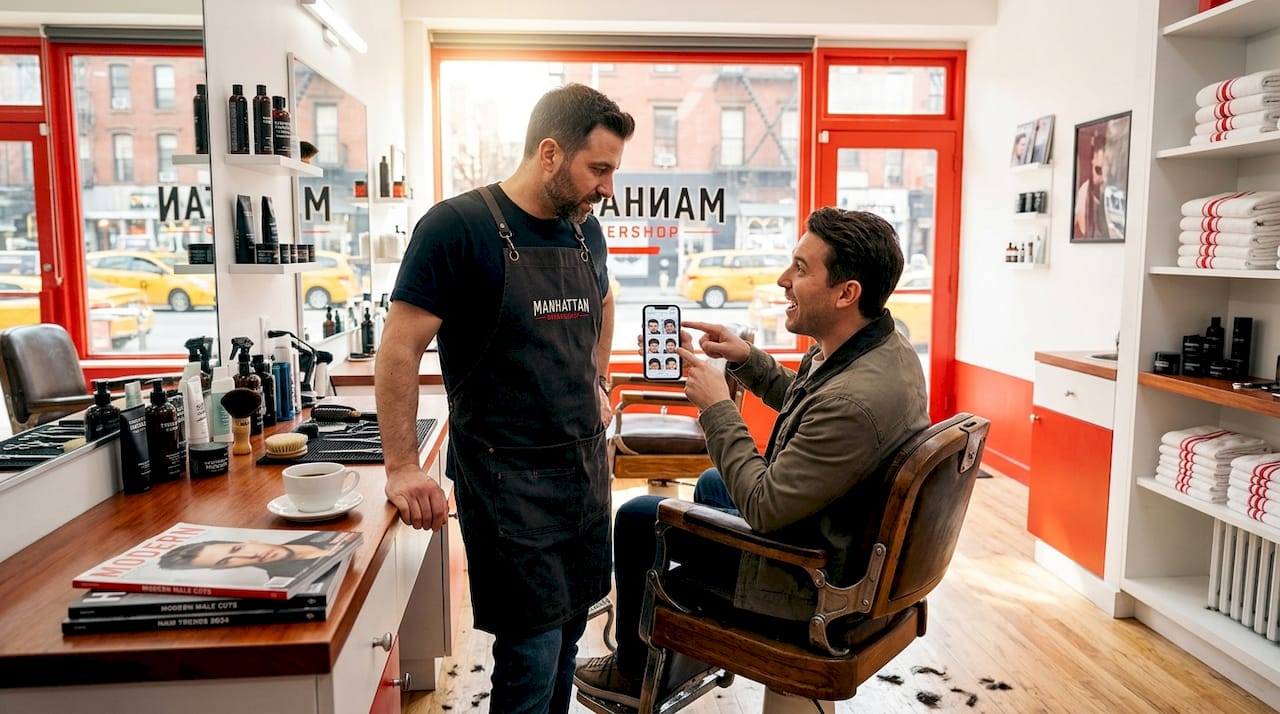
The consultation is where most barbershops either earn your trust or lose it. A quality shop does not hand you a cape and start clipping. The barber pulls up a chair, makes eye contact, and asks specific questions: How do you style your hair in the morning? Do you use product? What did you not like about your last cut?
This is not small talk. A standardized 2-minute consultation improves first-visit-to-regular client conversion from 48% to 79%. That number tells you everything about the return on a simple conversation.
Most dissatisfaction traces back to a breakdown in those first five minutes, often before the clippers even start. Noise makes it harder to communicate once the cut begins, which means the consultation window is your only real chance to align. Great barbers know this and treat that time as seriously as the cut itself.
Pro Tip: When you visit a new shop, bring a photo of a haircut you want. Shops that encourage and work with visual references are signaling that they care about getting it right.
2. Tailoring the cut to your actual lifestyle
One of the clearest examples of barber shop hospitality is when a barber asks how much time you spend on your hair each morning and adjusts the cut accordingly. That is not just friendly conversation. Tailoring cuts to client styling routines directly increases satisfaction and confidence in the service.
If you air dry, a heavy fade that requires daily product work is going to frustrate you within a week. A quality barber catches that in the consultation and steers toward something that fits your real life. At Manhattanbarbershopny, for example, owner Eugene Solod has built the shop’s reputation specifically around cuts that look great without demanding heavy product routines.
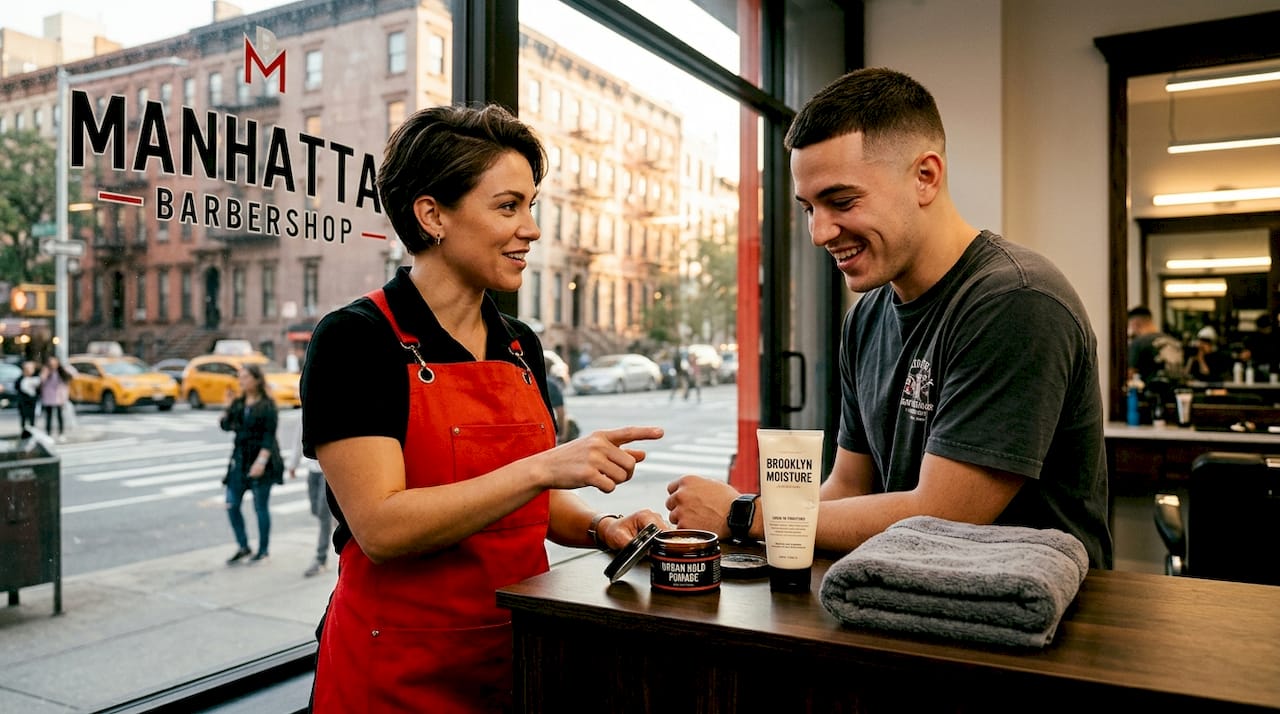
This kind of personalized advice separates high-quality barber services from generic chain experiences where every client walks out looking roughly the same.
3. Using visual aids to set clear expectations
Reference photos are one of the most practical tools in a barbershop. A great shop not only welcomes them but asks for them. Clients who bring reference photos and stay engaged during the service get more satisfying, collaborative results.
The best barbershop customer service examples include barbers who keep a physical or digital lookbook on hand. This gives hesitant clients something to point to when words fall short. A parent bringing in a 9-year-old who has no idea what he wants? A lookbook solves that in thirty seconds.
Clear visual alignment before the first cut prevents the awkward moment at the end where the client wishes it had gone differently but says nothing.
4. Honest communication throughout the cut
Quality service does not stop after the consultation. A skilled barber narrates key moments during the cut: “I’m going to take the sides a little shorter than last time, that okay?” or “Your hair has a strong natural part here, so I’m going to work with it rather than against it.”
These brief check-ins cost nothing and prevent a lot of regret. They also signal respect. The barber is treating you as someone whose opinion matters throughout the process, not just at the start.
“The best barbers make you feel like the haircut is being built with you, not just done to you.”
This kind of running dialogue is one of the clearest examples of what makes great barber service and it is surprisingly rare.
5. Small perks that shift the entire experience
Offering refreshments like water or a drink contributes positively to client comfort and perceived service quality. This is one of those simple touches that costs almost nothing but signals that the shop values your time and presence.
Think about the difference between sitting in a sterile waiting area versus being offered a coffee and a clean magazine while you wait a few minutes past your appointment time. The second scenario does not erase the wait, but it completely changes how you feel about it.
Other small touches that show up in the best barbershop customer service experiences: hot towel treatment at the end of a cut, a neck trim that goes slightly past the paid service, or a barber who remembers you had a job interview last time and asks how it went.
6. A clean, organized, welcoming environment
Walk into a shop and look at the floor. Look at the tools on the counter. Check whether the mirrors are clean. These details tell you whether the team behind those scissors cares about their work environment.
Customer experience in barbershops is heavily shaped by physical setting. A shop that is disorganized, smells like stale product, or has tools scattered randomly signals that corners are being cut in other areas too.
The environment also matters more when you are bringing a child. Parents evaluating barbershops for their kids are looking for calm, clean, and controlled. A chaotic front desk experience or a wait area full of noise and clutter is enough to make them never return.
7. Reliable booking and appointment management
Clients stop returning not because of the haircut but because checkout or scheduling feels confusing, slow, or disorganized. This is one of the most overlooked facts in barbershop service quality examples.
A quality shop offers multiple booking options: phone, walk-in, and online. They send reminders. They run on time, and when they cannot, they communicate proactively. Booking ease and responsiveness are key drivers of client retention.
Pro Tip: Test a shop’s booking system before your first visit. If the online booking page is outdated or phone calls go unanswered, that is a preview of how they manage everything else.
8. Post-cut follow-up and loyalty recognition
Asking “How was your visit?” sounds small, but soliciting client feedback builds stronger, more loyal relationships. Shops that do this consistently collect better reviews, improve faster, and make clients feel genuinely valued.
Loyalty programs and referral incentives take this further. A punch card, a free add-on after several visits, or a discount for referring a friend are not just marketing tactics. They communicate that the shop recognizes you as a repeat client and wants to keep you.
This is particularly effective for parents who bring in multiple family members. When a shop rewards that kind of steady business, it creates a household loyalty that is very hard for competitors to break.
9. Staff training and service consistency
Consistency managed through staff training and clear policies is the hallmark of high-quality barbershops. The best experiences are not accidental. They are the result of a shop owner who has set clear standards and trains everyone to meet them.
The practical difference shows up on your third or fourth visit. At a well-run shop, you get a similarly excellent experience regardless of which barber takes your chair. At a loosely managed one, the quality shifts based on who is working that day.
The entire client journey from booking through checkout has to function well, not just the haircut itself. Shops that understand this distinction invest in systems, not just individual talent.
10. Choosing the right barbershop for your situation
Different situations call for different priorities. Here is how to think about matching your needs to what a shop offers:
First visit or style change. Prioritize shops that open with a detailed consultation. Do not trust a barber who sits you down and starts cutting within thirty seconds of meeting you.
Bringing a child. Look for calm, hygienic environments with friendly staff who slow down and communicate with kids directly rather than talking over them.
Busy schedule. Booking ease matters here. Choose a shop with online scheduling, text reminders, and a track record of running on time.
Budget versus premium service. Cheaper cuts are not always worse, but they often skip the consultation and follow-up. If you are trying a new style, pay more and get the conversation.
Long-term relationship building. Ask whether a shop has a loyalty program or whether barbers keep notes on returning clients. A barber who remembers your preferences after a month is worth more than any discount.
Pro Tip: Before committing to a barbershop, check whether they have updated online profiles. Shops with complete, current profiles are 70% more likely to earn your trust because they care about how they present themselves.
My take on what quality service actually means
I have watched a lot of people leave barbershops feeling somewhere between “fine” and genuinely satisfied, and the gap almost always comes down to one thing: whether the barber treated the visit as a transaction or a conversation.
The consultation is the most undervalued moment in the entire experience. Most barbers rush it or skip it entirely. But that two-minute window is where a good barber gathers everything needed to actually deliver something the client will walk away proud of. When a shop builds that into every single appointment, everything else improves with it.
What I have also noticed is that quality service is a two-way relationship. The best results happen when the client shows up on time, comes in with clean hair, and speaks up about what they want. High-quality service requires that kind of client engagement too. A skilled barber can only work with what you give them.
The small touches matter more than most people admit. A clean shop, a friendly check-in, a barber who remembers your name. These do not make the haircut technically better, but they make you feel respected. And that is ultimately why people return.
My advice: stop settling for shops that get the cut mostly right but make the experience feel like a minor inconvenience. You deserve both.
— Evgenii
Manhattanbarbershopny: quality service you can actually expect
If you have been burned by barbershops that skip the consultation, run late, and leave you with a cut you did not ask for, Manhattanbarbershopny is built to be the opposite of that. Located on the Upper East Side, the shop is run by Eugene Solod and built around one principle: understanding what each client actually wants before anyone picks up a pair of clippers.
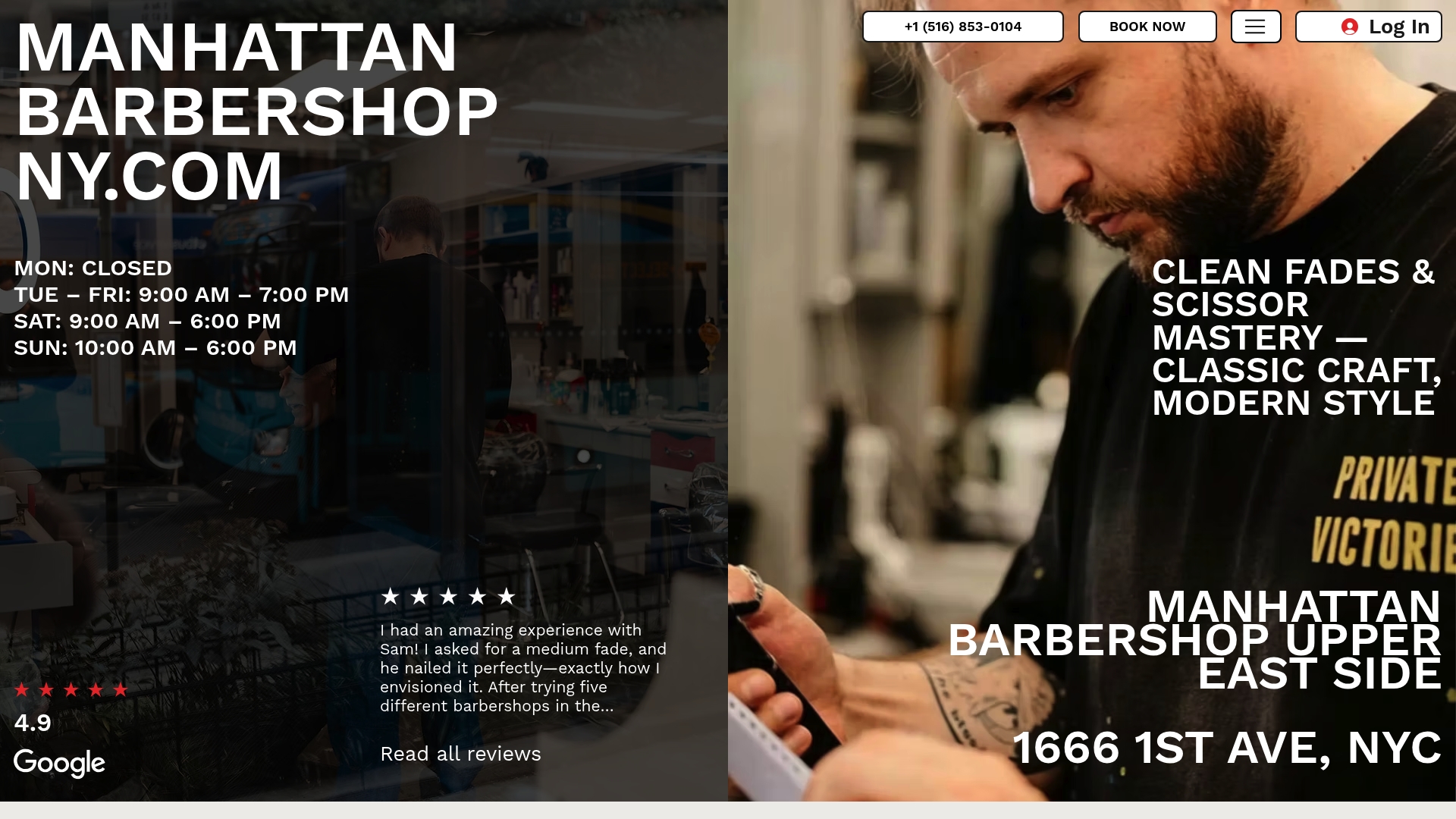
Every appointment starts with a real conversation. Barbers here work with your hair type, your lifestyle, and your styling habits to deliver cuts that hold their shape for weeks without demanding product every morning. Whether you are booking for yourself or bringing in your kid, the environment is clean, calm, and focused on getting it right.
You can book your appointment online or walk in when it suits you. Families can check out dedicated kids haircut services designed to make the experience easy for parents and comfortable for children. Browse the pricing plans to find what fits your budget, and explore expert cuts available at the Upper East Side location.
FAQ
What makes a barbershop consultation high quality?
A high-quality consultation takes two minutes and covers your style preferences, product habits, and any concerns about your last cut. Standardized consultation scripts increase first-visit to return-client conversion from 48% to 79%, which shows how much it matters.
Why do clients stop returning to barbershops?
Clients often leave not because of a bad haircut but because the booking or checkout experience felt disorganized. Scheduling friction and lack of communication are the most common reasons for lost loyalty.
How do I find a good barbershop for my child?
Look for a calm, clean environment where the barber speaks directly to the child and takes the time to explain each step. Shops that offer kids-specific services and have experience working with younger clients will make the visit easier for everyone.
What separates an average barbershop from an exceptional one?
Exceptional shops deliver consistent service quality across every visit and every barber, not just on a good day. Staff training, clear service standards, and post-visit follow-up are what set top shops apart from average ones.
Should I bring a reference photo to my barber appointment?
Yes. Bringing a photo gives your barber something concrete to work from and reduces the chance of a miscommunication. Shops that actively encourage reference photos are showing you they prioritize getting the result you actually want.
Recommended
Comments