Why Referrals Matter When Finding a Local Barber

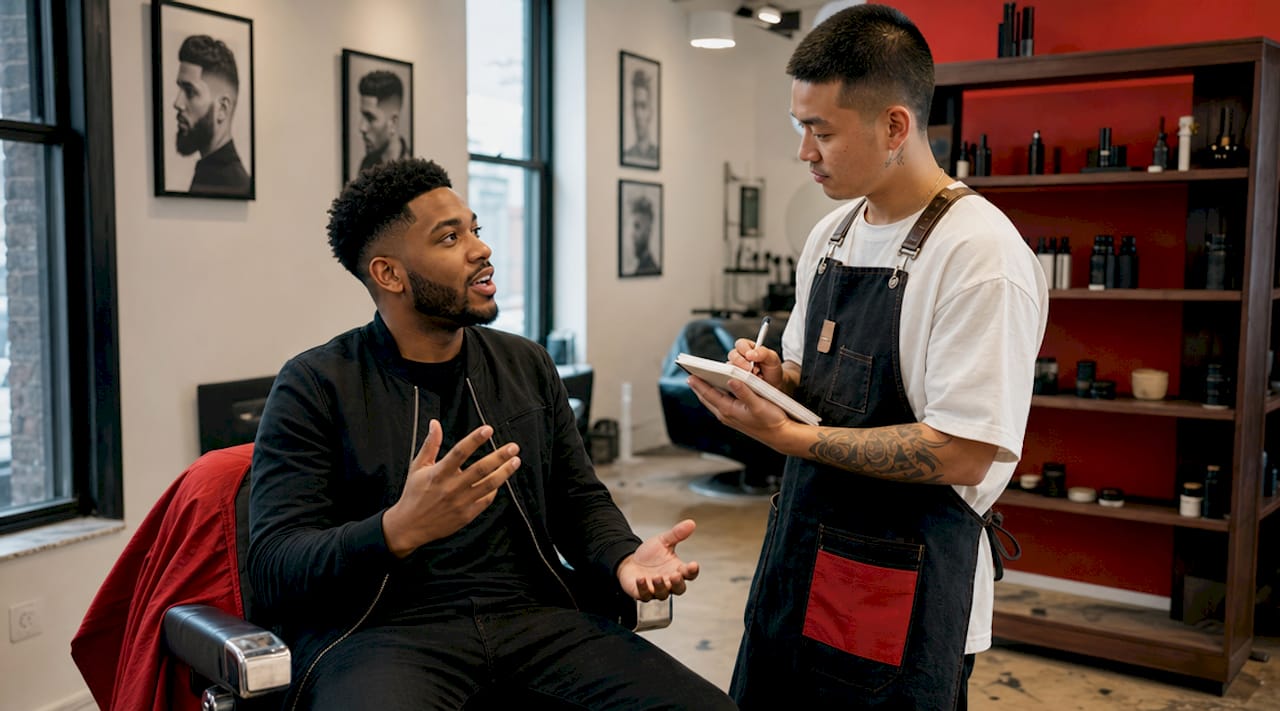
Referrals are the single most reliable method for finding a local barber who delivers consistent, quality results. 92% of consumers trust word-of-mouth over any other form of advertising, and men who book through a friend’s recommendation are four times more likely to return than those who found their barber through a Google search or Instagram scroll. For young professionals who need a sharp cut before a Monday meeting, or fathers hunting for someone patient enough to handle a squirming seven-year-old, understanding why referrals matter when finding a local barber is the difference between a great haircut and a frustrating one.
Why referrals are the most trusted way to find a local barber
Word-of-mouth recommendations carry a weight that no paid ad or polished Instagram grid can replicate. When a colleague points to his clean fade and says “go see this guy,” he is transferring years of earned trust in a single sentence. That trust converts directly into bookings and loyalty.
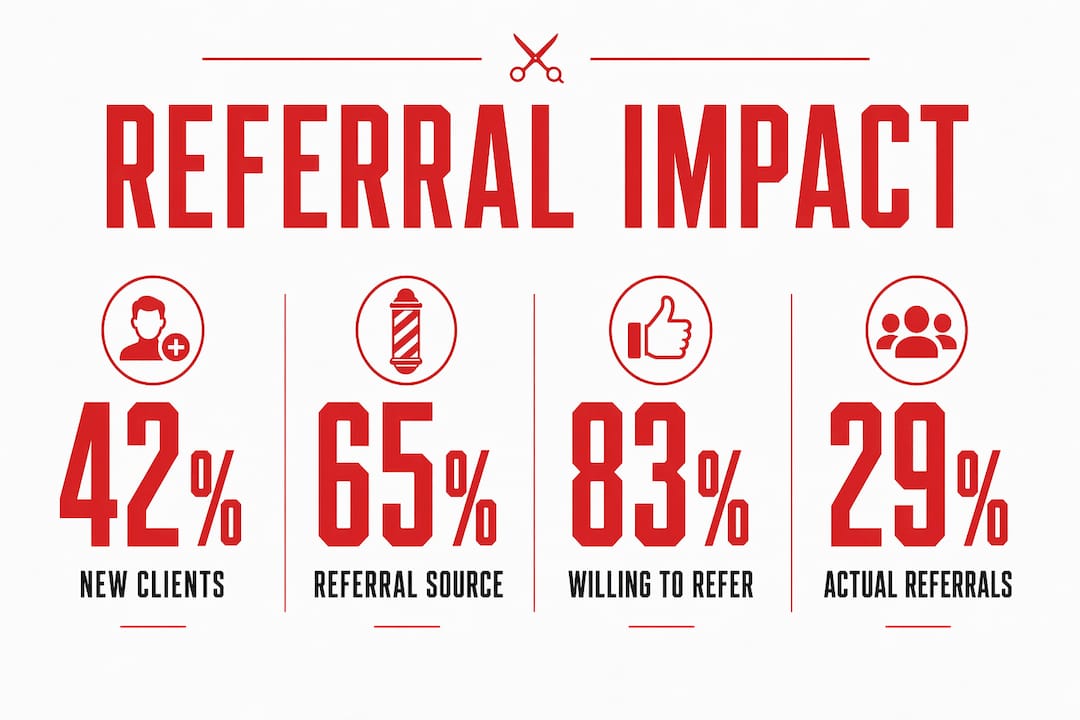
The numbers from 2026 back this up clearly. Referrals account for 42% of new clients at barbershops tracked over a 90-day study period, while Instagram drove only 16% and TikTok just 12%. That gap is not a coincidence. It reflects the fundamental difference between passive browsing and active, personal endorsement.
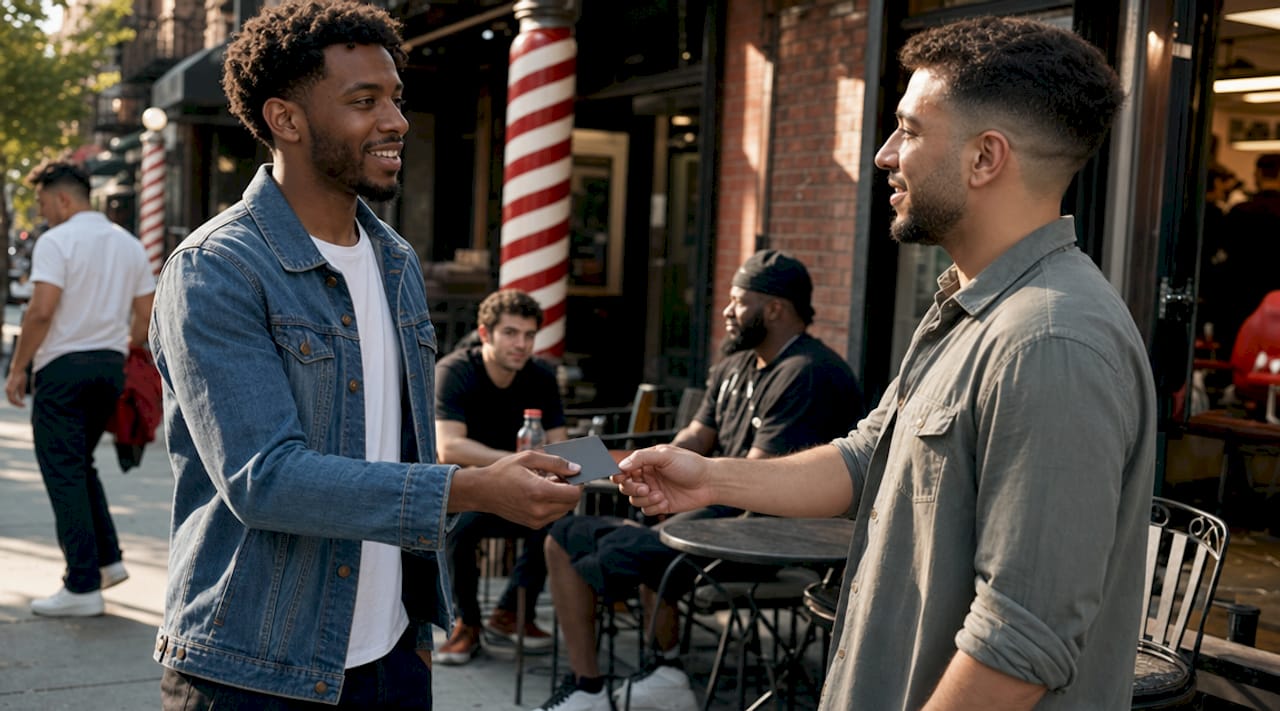
Referred clients also stay longer. Referral clients rebook at 79% within six weeks, compared to roughly 45% for clients who walked in or found the shop through a web search. They also show 37% longer retention and 16% higher lifetime value than clients acquired through paid advertising. A single referral, in other words, is worth far more than a boosted post.
Here is what makes the referral channel so powerful for men specifically:
A trusted source has already vetted the barber’s skill, consistency, and chair-side manner.
The recommendation comes with context: “He’s great with thick hair” or “He always does my son’s fade perfectly.”
There is no guesswork about whether the photos online match the real results.
The social proof lowers anxiety for first-time visits, especially for men who have had bad experiences before.
“Referrals act as a pre-vetting mechanism, providing social proof that validates quality before the haircut even happens.” Lutily Blog
How your hair type and grooming goals shape the value of a referral
Not every referral is equally useful. A recommendation from someone with straight, fine hair means little if you have dense, coily texture. The most valuable referrals come from men whose hair type and style goals closely match your own.
Shared hair texture between referrer and new client directly improves haircut satisfaction. Asking “Who cuts your hair?” is more useful than any Yelp review when you can see the result standing in front of you. If your coworker’s taper looks exactly like what you want, his barber is already pre-qualified for your needs.
Before you ask anyone for a referral, get clear on your own grooming goals. Do you want a low-maintenance cut that holds its shape for three weeks? A style that works with your natural texture rather than fighting it? A barber who can handle both your cut and your kid’s? Knowing the answer to these questions lets you ask for a referral with precision rather than hoping for a generic recommendation. The article on finding a barber who matches your style breaks this down further if you want a framework before you start asking around.
Pro Tip: When asking a friend for a referral, say “I’m looking for someone good with [your hair type] who does [specific style]” rather than just “know any good barbers?” The specificity filters out mismatched recommendations before you waste a trip.
The importance of barber referrals grows even more when you factor in children’s haircuts. Fathers need a barber who is patient, communicates well with kids, and can deliver a clean result on a moving target. A referral from another dad who has already tested this is worth ten five-star reviews from strangers.
Social media vs. referrals: which actually gets you a better barber?
Digital channels are useful for discovery, but they consistently underperform referrals when it comes to converting a first visit into a long-term relationship. Understanding why helps you spend your time on the right search method.
Here is a direct comparison of how different discovery channels perform:
Discovery channel | New client share | Rebooking rate | Pre-vetting quality |
Referrals (friends/family) | 42% | 79% | High (personal endorsement) |
16% | Lower than referrals | Low (visual only) | |
TikTok | 12% | Lower than referrals | Low (entertainment-driven) |
Walk-ins / web search | Remaining share | ~45% | None |
The table tells a clear story. Social media attracts attention, but clients found through social media rebook at significantly lower rates than referred clients. This is because a great photo of a haircut tells you nothing about whether the barber listens, remembers your preferences, or shows up consistently.
Walk-ins and Google searches carry the same weakness. You might find a shop with strong reviews, but reviews are aggregated and anonymous. They cannot tell you whether this specific barber is right for your specific hair. A referral from someone you know gives you that precision.
This does not mean a barber’s online presence is irrelevant. A clean website, active booking system, and visible portfolio all support the decision after a referral has already pointed you in the right direction. The online presence confirms the referral. It rarely replaces it. For a deeper look at how to evaluate your options, the comparison at barber vs. stylist is worth reading before you commit.
How to actually use referrals to find and keep a great barber
Knowing referrals work is one thing. Knowing how to generate and use them is another. Most men wait passively for a recommendation to come up in conversation. A more deliberate approach gets better results faster.
Follow these steps to put referral-based barber discovery into practice:
Identify men whose haircuts you admire. This could be a coworker, a friend at the gym, or even someone you see regularly in your building. The cut you see in person is the most honest advertisement a barber has.
Ask with specifics. Mention your hair type, the style you want, and any past problems (scalp sensitivity, cowlicks, difficulty with fades). A specific ask gets a specific, useful answer.
Verify consistency before booking. Ask how long they have been going to that barber and whether the results are consistent cut after cut. One great haircut could be luck. Six in a row is skill.
Book and communicate clearly. When you arrive, reference the referral and describe what you want. Barbers who know you came through a trusted client tend to pay extra attention on the first visit.
Build the relationship over time. Tell the barber what you liked and what you would adjust. A barber who knows your preferences delivers better results with every visit.
Referrals from happy clients account for 65% of new barbershop business in 2026. That figure reflects how much the industry runs on personal trust rather than marketing spend. If you find a barber you love, referring him to friends is one of the most useful things you can do. It also tends to strengthen your own relationship with the shop.
Pro Tip: If you relocate to a new city, ask your current barber if he knows anyone in that area. Barbers often have professional networks, and a barber-to-barber referral carries real weight. The guide on starting a new barber search covers this scenario in detail.
What referrals mean for the health of your local barbershop
Referrals are not just good for clients. They are the structural foundation of a sustainable local barbershop. Understanding this helps you see why the best shops in any neighborhood rarely need to advertise heavily.
The Booking Loop framework, used by barbers and shop owners to analyze growth, identifies five stages: Discovery, Trust, Convenience, Experience, and Referral. When all five stages work together, the referral stage feeds new clients back into the top of the loop, creating a self-sustaining cycle. Shops that skip the referral stage and rely on paid ads instead are always spending money to replace clients they should have retained.
Growth driver | Paid advertising | Referral network |
Cost per new client | High and recurring | Near zero |
Client retention | Lower | Higher (37% longer) |
Trust level on arrival | Low | High |
Long-term sustainability | Dependent on budget | Self-reinforcing |
“A thriving barbershop relies on continual referrals as a sustainable growth engine rather than relying on paid ads.” Barber Insights
There is also a community dimension here. When a neighborhood barbershop fills its chairs through referrals, it means the shop has earned genuine trust from the people who live nearby. That trust shows up in quality customer service that keeps clients coming back and talking. Shops built on referrals tend to invest more in the craft because they know their reputation is the product. Shops built on ads tend to optimize for volume.
One more data point worth knowing: 83% of satisfied clients are willing to refer their barber, but only 29% actually do unless asked directly. This means the referral pipeline exists almost everywhere. It just needs a nudge to activate.
Key takeaways
Referrals are the highest-converting, lowest-cost, and most trust-efficient method for finding a dependable local barber, outperforming social media and walk-ins on every measurable metric.
Point | Details |
Referrals dominate new client acquisition | 42% of new barbershop clients come from referrals, far ahead of Instagram at 16%. |
Referred clients stay longer | Referral clients rebook at 79% within six weeks and show 37% longer retention overall. |
Hair type matching improves results | Ask for referrals from men with similar hair texture to get the most relevant recommendation. |
Ask directly for better referrals | Only 29% of willing clients refer without being asked. Specificity in your request improves outcomes. |
Referrals sustain local barbershops | Shops built on referral networks outperform ad-dependent shops in retention, trust, and long-term growth. |
Why I tell every client to ask their friends first
I have watched men sit in the chair at Manhattanbarbershopny after years of bouncing between shops, frustrated by inconsistent results. Almost every time, the turning point was a referral. Not a Google review. Not a viral TikTok. A friend who said, “Just go here.”
What referrals do that no algorithm can replicate is transfer accountability. When your friend recommends a barber, he is putting his own judgment on the line. That changes the quality of the recommendation entirely. He is not going to send you somewhere mediocre.
The men who get the best results from their barber relationships are the ones who were specific when they asked. They said “I need someone who understands thick, wavy hair and doesn’t over-product it.” They came in with a clear picture of what they wanted. The referral got them to the right chair. The conversation kept them there.
My honest advice: stop scrolling and start asking. The best barber in your area is probably already cutting someone you know.
— Evgenii
Book your next cut at Manhattanbarbershopny
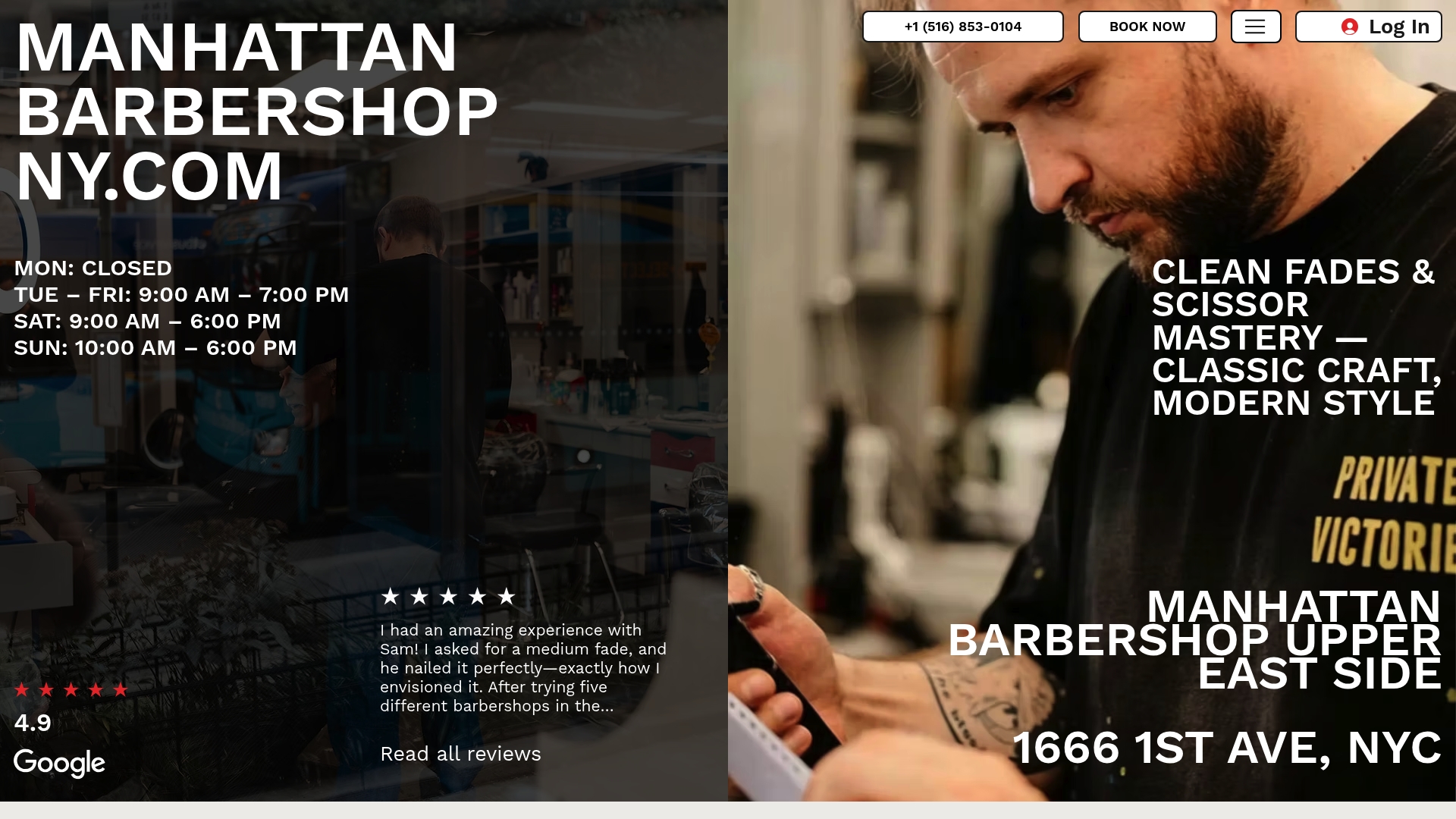
Manhattanbarbershopny, located on the Upper East Side, is built on exactly the kind of client trust this article describes. Eugene Solod and his team specialize in clean fades, classic cuts, and personalized consultations that prioritize your natural hair texture over heavy product use. Whether you are a young professional who needs a sharp, low-maintenance cut or a father looking for a patient barber who handles kids with ease, the shop delivers consistent results that hold their shape for weeks. Book a regular haircut or a kids haircut online today, and experience the kind of service that turns first-time clients into long-term regulars.
FAQ
Why do referrals matter more than online reviews for finding a barber?
Referrals come from someone who knows your hair type and style preferences, making them far more targeted than anonymous reviews. Referred clients also rebook at 79% within six weeks, nearly double the rate of clients who found their barber through digital channels.
How do I ask for a barber referral the right way?
Identify someone whose haircut matches the style and texture you want, then ask specifically: mention your hair type, the cut you are after, and any past issues you have had. Specificity filters out mismatched recommendations and gets you a more useful answer.
How many new barbershop clients actually come from referrals?
42% of new clients at tracked barbershops came from referrals in a 90-day study, compared to 16% from Instagram and 12% from TikTok. Referrals are the single largest source of new business for most local shops.
Should I refer my barber to friends even if the shop is already busy?
Yes. Referring your barber strengthens your relationship with the shop and supports the local business you rely on. Barbers who receive consistent referrals invest more in their craft because their reputation drives their growth.
What if I am new to a city and have no one to ask for a referral?
Ask your current barber before you move. Barbers often have professional connections in other cities, and a barber-to-barber recommendation carries real credibility. You can also check whether any local barbershop specializations match your specific hair needs as a secondary filter.
Recommended
Comments