Why Chain Barbershops Cut Differently: What You Should Know

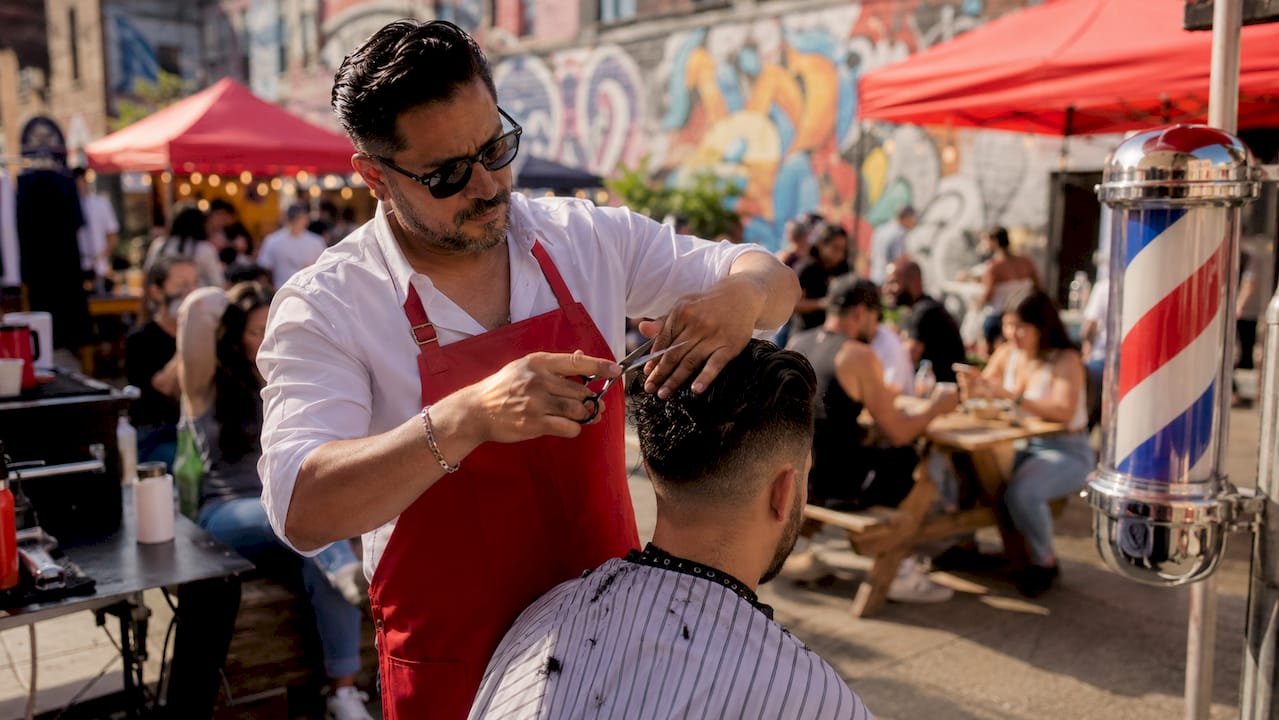
Chain barbershops cut differently because their tools, workflows, and business models are built for volume and speed, not individual customization. The industry term for this operational approach is standardized service delivery, and it shapes every aspect of how a chain barber holds scissors, runs clippers, and finishes a cut. Understanding why chain barbershops cut differently helps you make smarter choices about where you spend your money and what results you can realistically expect.
How do barber tools differ between chain barbershops and independents?
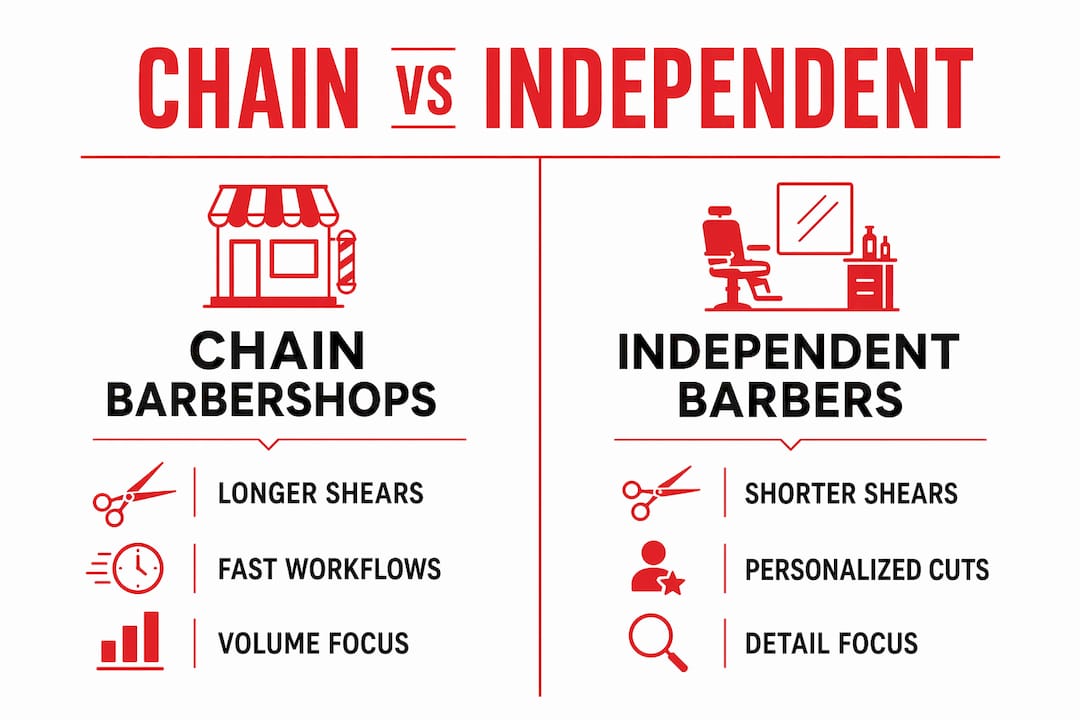
The tool difference is the most direct technical reason for the gap in haircut quality. Barber shears in chain settings are typically longer, running 6.0 to 7.0 inches, while hairdressing shears used in independent shops run 5.0 to 6.0 inches. Longer blades cover more hair per stroke, which is exactly what a high-volume shop needs to move clients through the chair quickly. The tradeoff is reduced precision on fine detailing around the ears, neckline, and temples.
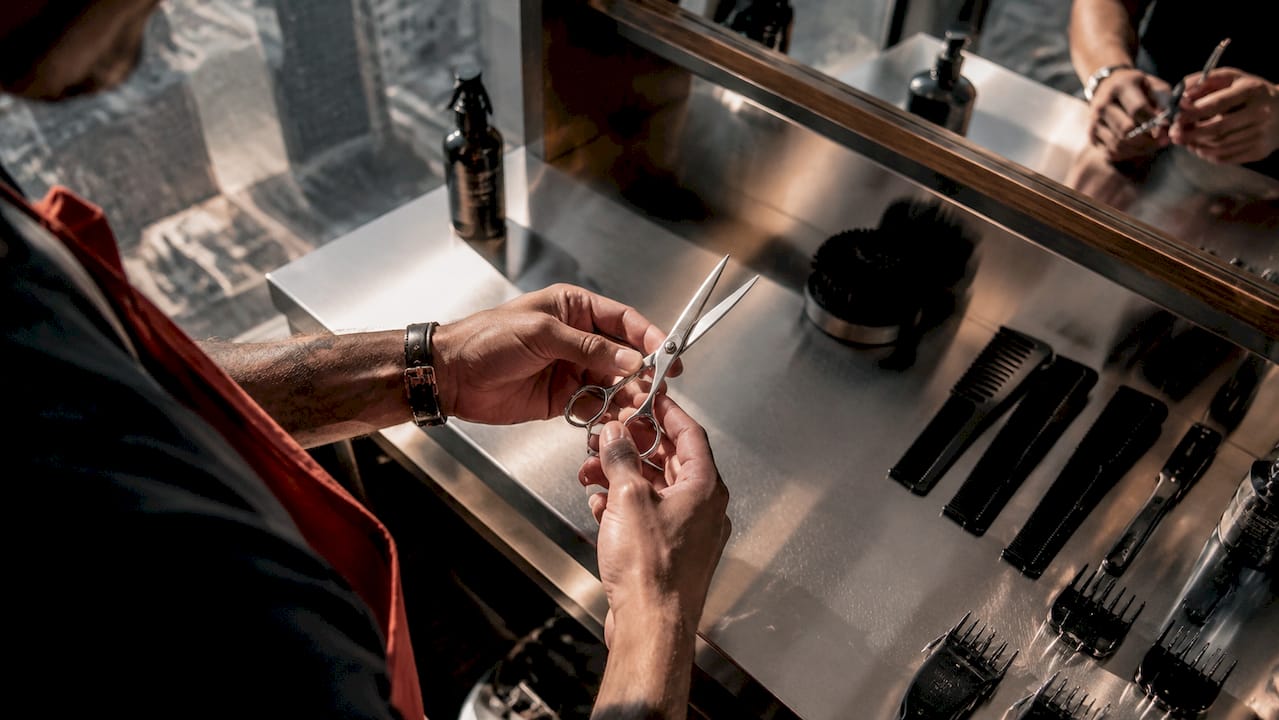
Blade length also determines how well scissor-over-comb technique works. A 6.5 to 7 inch blade covers more hair per stroke, enabling faster and more consistent fades. When a blade is too short for the comb width, the barber must make multiple passes over the same section. Multiple passes create visible layering lines and reduce the smoothness of the fade, which is why chain cuts sometimes look clean in the chair but uneven a week later.
Beyond length, the physical construction of the scissors differs. Barber scissors carry heavier mass and a more aggressive edge bevel, optimized for dense men’s hair and high-volume cutting. Independent barbers working on varied hair types often carry two different shears to handle both barbering and salon-style precision work. Chain barbers rarely have that flexibility built into their workflow.
Feature | Chain barbershops | Independent barbers |
Shear length | 6.0–7.0 inches | 5.0–6.0 inches |
Edge bevel | Aggressive, fast-cutting | Fine, precision-focused |
Clipper use | Standardized blade guards | Adjusted per hair type |
Tool variety | Limited to workflow spec | Multiple shears per stylist |
Blending method | Clipper-led, fast passes | Scissor and clipper combined |
Pro Tip: If you want to test a barber’s tool knowledge, ask what shear length they use for scissor-over-comb work. A barber who knows the answer and explains why is working with intention, not just habit.
Understanding how barbershops differ from hair salons at a structural level makes these tool choices easier to interpret. The scissors are not just different in size. They represent two different philosophies about what a haircut is supposed to accomplish.
What operational factors cause chains to cut differently?
The business model of a chain barbershop is the second major driver of the independent vs chain barbershop differences you notice in the mirror. Chains operate with documented SOPs to maintain consistency and speed, which limits how much any individual barber can deviate from the prescribed workflow. This is not a flaw in the system. It is the system working exactly as designed.
Here is what that operational structure produces in practice:
Limited chair time. Chain appointments are typically capped to keep throughput high. A barber working under a time constraint will prioritize the visible, front-facing elements of a cut and compress the finishing work on the neckline and growth zones.
Standardized service menus. Chains define what a “fade” or a “taper” means internally, and barbers execute that definition. Independent barbers negotiate the meaning of those terms with each client individually.
High stylist turnover. Chains have higher stylist turnover, which means clients frequently see a different barber on each visit. That breaks the continuity of style knowledge that builds up between a barber and a regular client.
Reduced consultation depth. A chain barber working through a full book of appointments has less time to ask about your hair texture, growth patterns, or lifestyle. Independent barbers build that context over multiple visits.
Brand consistency over personal artistry. Chains build their brand through speed and repeatability, which means some degree of artisanal customization is structurally unavailable, regardless of the individual barber’s skill level.
The result is a cut that looks presentable on day one but may not account for how your specific hair grows, lays, or behaves two weeks later. That is not incompetence. It is the predictable output of a model optimized for scale.
How do cutting techniques differ at chain vs independent barbershops?
The differences in barber techniques between chain and independent shops go beyond tools and time. They reflect different priorities in what a finished haircut is supposed to achieve.
Chain barbers rely heavily on clipper-led fades. The sequence is fast: clippers establish the length and gradient, then scissor-over-comb blending smooths the transition zones. This approach produces a clean, consistent result that photographs well and satisfies most clients on the day of the cut. The technique is not inferior. It is optimized for a specific outcome.
Independent barbers tend to work in the opposite direction. Many start with scissors to establish shape and weight distribution, then use clippers to refine the fade. This slower sequence allows the barber to respond to how the hair actually falls rather than imposing a predetermined shape onto it. The difference shows up most clearly in how the cut ages. A scissor-first approach that accounts for hair type and growth patterns tends to hold its shape longer between cuts.
Clipper fade establishment. Chain barbers set the gradient first using guard-based clipper work, moving quickly from the neckline upward.
Scissor-over-comb blending. A fast blending pass smooths the transition between clipper lengths. In chains, this step is compressed to maintain pace.
Edge detailing. Chains focus on the hairline and sideburns as the final visible signature of the cut. Independent barbers extend this phase to include neckline shaping and temple work.
Texture and finish. Independent barbers often spend additional time on point-cutting or texturizing to reduce bulk and improve movement. This step is frequently skipped or shortened in chain settings.
Growth pattern adjustment. Skilled independent barbers read the cowlicks, whorls, and directional growth before cutting. Chains prioritize faster haircuts to maintain volume, which leaves less time for these micro-adjustments.
Pro Tip: Ask your barber to show you where your growth patterns are before they start cutting. Any barber worth their chair time will know immediately and adjust their technique accordingly.
The signs of great barber skills are visible in these finishing details. A barber who reads your head before picking up a clipper is working at a different level than one who starts the timer the moment you sit down.
How do haircut outcomes differ at chain vs independent barbershops?
The practical differences clients notice in the local barbershop vs national chain comparison come down to four areas: longevity, customization, consultation, and finishing quality.
Chain cuts deliver reliable, predictable results. If you walk into a Great Clips or Sport Clips location in any city, you will leave with a haircut that meets a baseline standard. Independent salons emphasize artistry and customization, offering services and style adjustments that chains structurally cannot provide at scale. That gap is most visible in complex requests like textured fades, hard parts, or cuts designed to work with a specific face shape.
Here is what clients consistently report as the practical differences:
Cut longevity. Independent barbers who account for growth patterns produce cuts that hold their shape two to three weeks longer. Chain cuts often look sharp on day one but lose definition faster.
Consultation quality. Independent barbers ask more questions before cutting. That conversation produces a cut that fits your lifestyle, not just your head.
Finishing details. Micro-adjustments in areas like the neckline, ears, and texturing receive less time in chain settings. These are the details that separate a good haircut from a great one.
Relationship continuity. An independent barber who has cut your hair six times knows your cowlick, your preferred length, and how your hair behaves in humidity. That knowledge is not transferable when you see a different barber every visit.
The quality of customer barbershop service is not just about the cut itself. It is about whether the person holding the scissors actually knows you. That relationship is the core advantage independent barbers hold over any franchise model.
Key takeaways
Chain barbershops cut differently because their tools, SOPs, and time constraints are built for volume, which produces consistent but less personalized results than independent barbers who prioritize technique, relationship, and finishing detail.
Point | Details |
Tool length drives technique | Chain barbers use 6.0–7.0 inch shears optimized for speed; independents use shorter shears for precision. |
SOPs limit customization | Documented chain workflows produce consistency but reduce individual barber discretion. |
Clipper-first vs scissor-first | Chains lead with clippers for speed; independents often start with scissors to read hair behavior. |
Finishing time matters | Neckline, texture, and growth zone adjustments are compressed in chains, affecting cut longevity. |
Relationship continuity | Independent barbers build style knowledge over multiple visits; high chain turnover resets that knowledge. |
What I’ve learned from watching both models up close
I have spent years watching clients come through the door at Manhattanbarbershopny after months at chain shops, and the pattern is consistent. They are not unhappy with their chain cuts exactly. They just cannot explain why the cut never quite looks right by week two. The answer is almost always in the finishing work.
Chain barbershops are not bad. They solve a real problem: accessible, affordable haircuts at scale. If you need a clean cut before a flight and you have 20 minutes, a chain shop delivers. The model works for what it is designed to do.
What it cannot do is account for the specific way your hair grows at the crown, or the fact that your left sideburn grows faster than your right, or that your neckline needs a slightly curved line rather than a straight one to look balanced with your jaw. Those details require time, observation, and a barber who has seen your head more than once.
The independent vs chain barbershop differences are not really about skill. Most chain barbers are trained competently. The differences are structural. A barber working through 15 clients in a shift cannot give the same attention as one working through 8. That math is not a criticism. It is just arithmetic.
My honest recommendation: use chains for maintenance cuts when your style is already established and you know exactly what to ask for. Use an independent barber when you are building a new style, dealing with a difficult hair type, or trying to fix a previous cut that went wrong. The two models serve different moments in a person’s haircut life.
— Evgenii
Experience the difference at Manhattanbarbershopny
Manhattanbarbershopny on the Upper East Side operates on a different model than the chains described in this article. Eugene Solod and his team take the time to read your hair type, growth patterns, and face structure before picking up a single tool. Every cut, from a classic regular haircut to a precisely executed Iroquois cut, is built around your specific head, not a standardized template. The result is a style that holds its shape for weeks, not days. Walk-ins are welcome, or you can book your appointment online and guarantee your chair time with a barber who will actually remember you next visit.
FAQ
Why do chain barbershop haircuts fade faster?
Chain barbershops prioritize speed, which compresses the time spent on growth pattern analysis and finishing details. Cuts that do not account for how your hair grows naturally lose their shape faster between appointments.
Are chain barbershop barbers less skilled than independent barbers?
Not necessarily. Chain barbers are trained to execute specific techniques competently, but their workflow limits how much individual customization they can apply. The skill gap is often structural rather than personal.
What scissors do chain barbershops use?
Chain barbershops typically use longer barber shears in the 6.0 to 7.0 inch range, optimized for scissor-over-comb speed and coverage on dense men’s hair.
Is a chain barbershop good for a first haircut at a new style?
A chain shop is not the best choice for establishing a new style. Independent barbers spend more time on consultation and can adjust the cut to your specific hair behavior, which matters most when you are building something new.
What is the main difference between chain and independent barbershop techniques?
Chain barbers use a clipper-first workflow designed for speed and consistency. Independent barbers more often start with scissors to assess how the hair falls naturally, producing cuts that age better and fit the client’s features more precisely.
Recommended
Comments