How Barbers Remember Client Preferences Every Visit

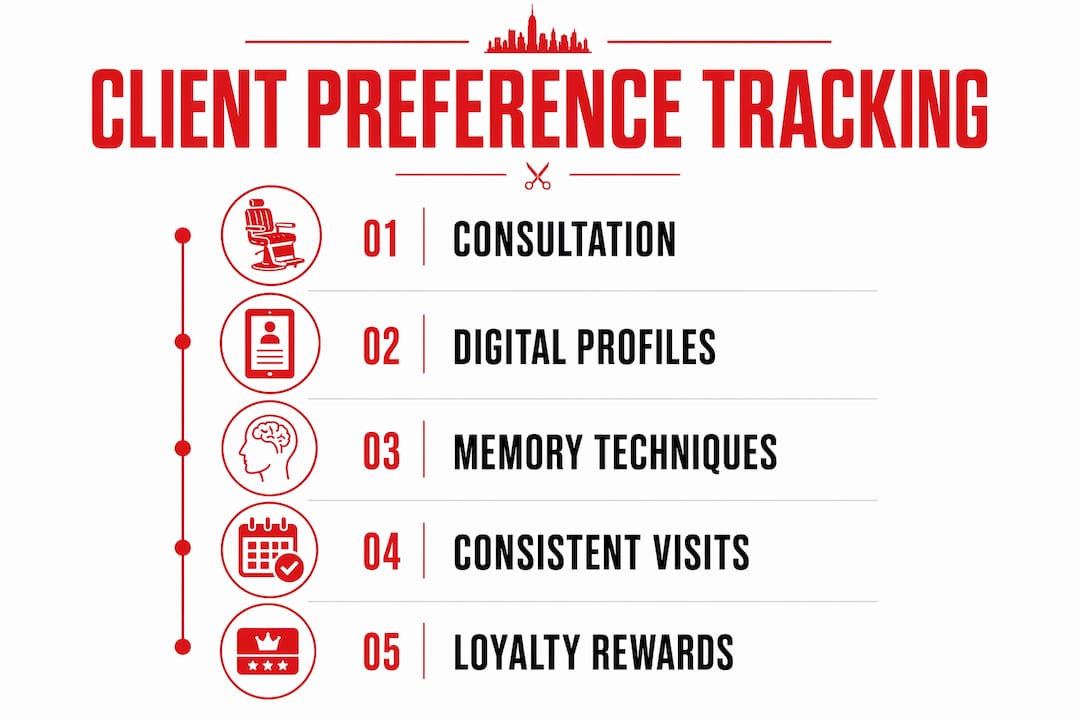
Skilled barbers remember client preferences through a structured system of consultations, digital profiles, and deliberate memory techniques that turn every visit into a personalized experience. This is not guesswork or natural talent. It is a repeatable process built on attentive listening, precise documentation, and the right tools. Personalized interactions are expected by 71% of consumers, and loyal clients spend about 67% more than first-timers. That gap in spending makes consistent preference tracking one of the most valuable skills a barber can develop.
How barbers remember client preferences during consultations
The personalization process starts before a single clipper touches your head. A structured consultation is the foundation of every great haircut, and professional barbers treat it as a non-negotiable step. For new clients, this conversation typically lasts 5–10 minutes and covers hair texture, growth patterns, lifestyle habits, and the styles you want to maintain.
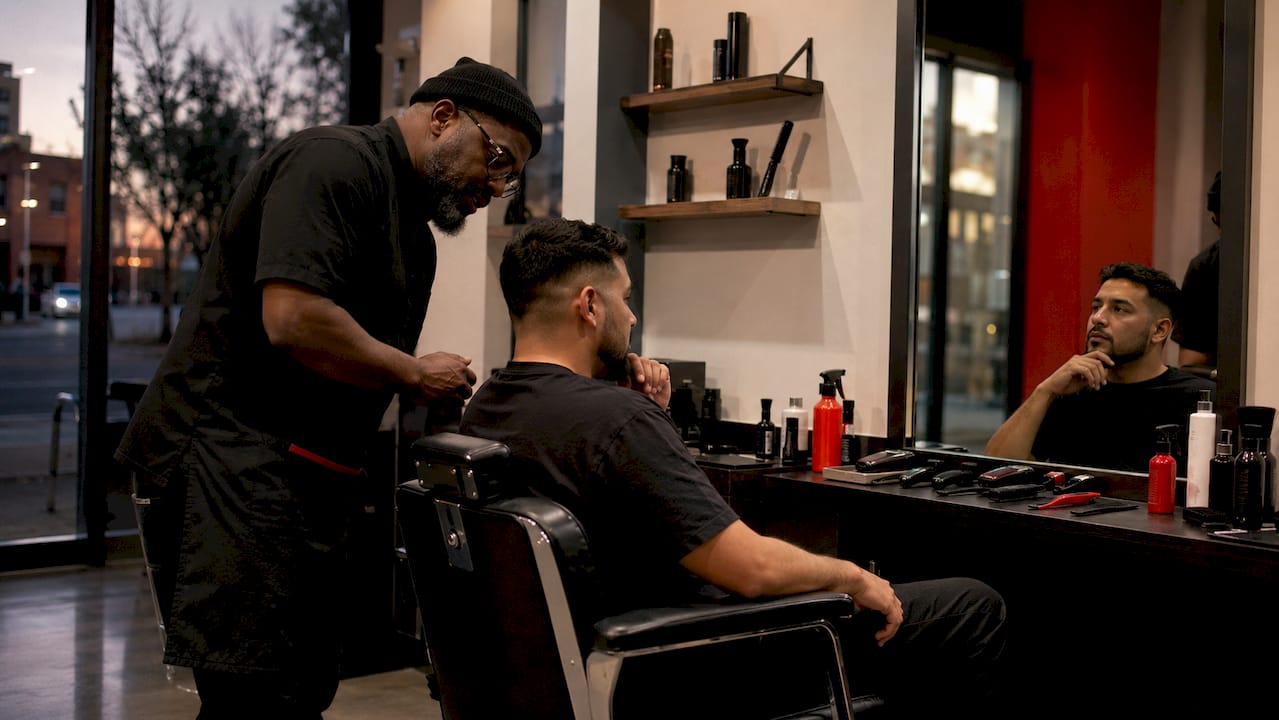
During that conversation, a skilled barber listens for specifics. Vague requests like “a little off the top” create room for error. Most miscommunications stem from vague language, which is why barbers ask clients to anchor requests to measurements, clipper guard numbers, or body landmarks. “Fade to the skin two inches above the ear” is a request a barber can replicate exactly. “Short on the sides” is not.
Here is what a thorough consultation captures:
Fade level and type: skin fade, low fade, mid fade, or high fade
Top length: measured in inches or clipper guard size
Beard style: neckline shape, cheek line, and length
Product preferences: whether you use pomade, clay, or nothing at all
Growth patterns: cowlicks, double crowns, or hairlines that affect the cut
Lifestyle context: how much time you spend styling at home
Pro Tip: Bring a photo of the exact cut you want, and also bring one showing what you do not want. Barbers read visual references faster than verbal descriptions, and showing both sides removes nearly all guesswork.
Clients who arrive with clean, product-free hair also help their barber. Natural hair patterns are easier to read without product buildup, which means the barber sees your actual texture and growth direction before making a single decision.
How digital systems help barbers track styles over time
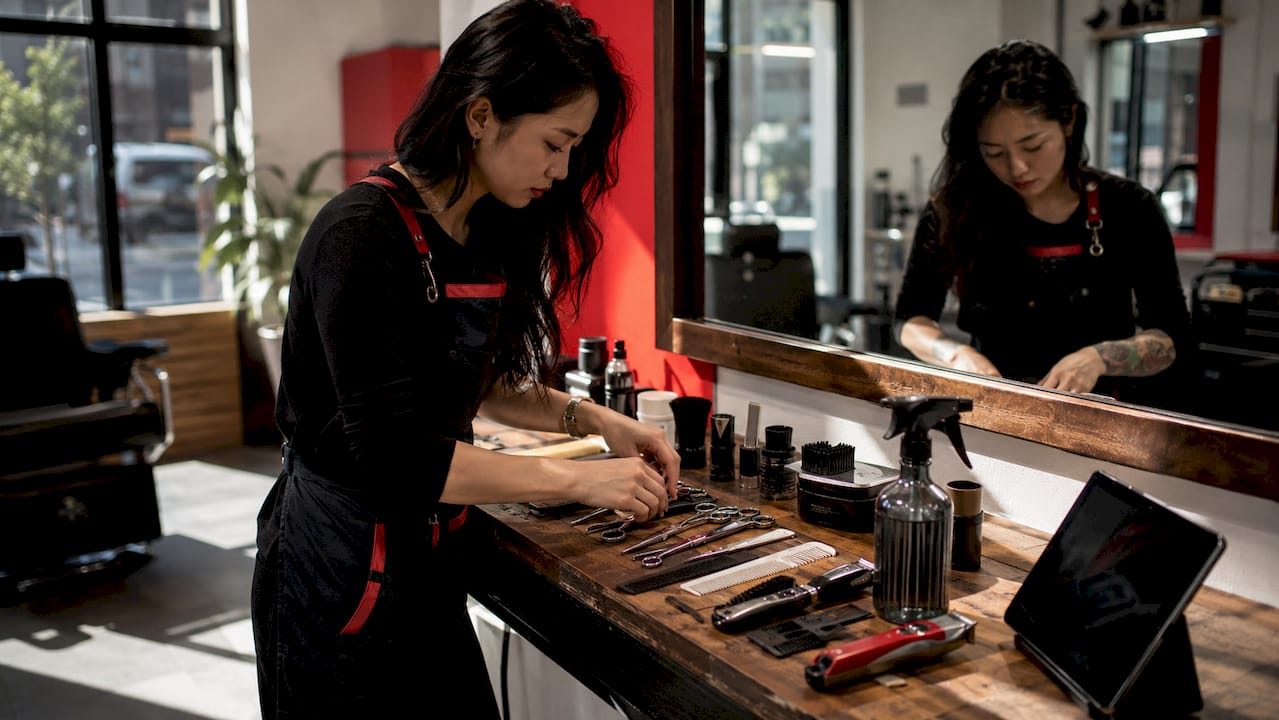
Memory alone cannot carry every detail across months of appointments. Modern barbershops use integrated point-of-sale and CRM software to store client-specific technical data that any barber in the shop can access. CRM-integrated POS systems allow barbers to review clipper guard sizes, fade levels, and product preferences before you even sit down in the chair.
This matters most when your regular barber is unavailable. A well-maintained digital profile means a different barber can deliver the same result without a lengthy re-consultation. The profile acts as a recipe card for your hair. It removes the risk of style drift, which is the gradual shift away from your preferred look that happens when details are not recorded.
Profile element | What it captures | Why it matters |
Clipper guard sizes | Exact numbers for each section | Replicates the cut precisely every visit |
Fade type and level | Skin, low, mid, or high with placement | Prevents inconsistency between barbers |
Product preferences | Brand and hold level used | Finishes the style the way you expect |
Before-and-after photos | Visual record of completed cuts | Speeds up future consultations significantly |
Personal notes | Lifestyle, frequency of visits, style goals | Adds context that numbers alone cannot capture |
Automated appointment reminders sent 48 hours and 2 hours before a visit also serve a dual purpose. They reduce no-shows and give the barber a prompt to review your profile before you arrive. That review takes two minutes and makes the difference between a barber who greets you by name and one who asks you to start from scratch.
Pro Tip: When you book your next appointment, ask your barber to note the exact guard sizes used. That single habit builds a technical record that protects your style even if you switch barbers or visit a new shop.
Barber memory techniques that reinforce client recall
Digital tools handle the data, but the human side of recall is equally important. Experienced barbers use deliberate memory techniques to connect your face, name, and preferences into a single mental profile. This is not photographic memory. It is a trained habit.
One common technique is associative anchoring. A barber links your name to a specific physical detail or style cue. For example, “Marcus with the tight skin fade and the beard line at the jawbone” becomes a complete mental image that is easier to retrieve than a name alone. Repeating that association during the appointment reinforces it.
Barbers also build recall through genuine conversation. Remembering that you mentioned a job change, a new neighborhood, or a sports team you follow gives the barber a personal anchor that goes beyond hair. Clients feel valued when a barber remembers personal details alongside haircut preferences. That feeling of being recognized is what separates a regular from a walk-in.
Habits that sharpen barber memory include:
Repeating the request back: Saying “So you want a mid fade with a number three on top, clean neckline” confirms the details and locks them in.
Reviewing notes before each appointment: A two-minute profile review before a client arrives refreshes the mental picture.
Connecting style to body landmarks: Anchoring fade placement to the ear or temple creates a physical reference that is consistent across visits.
Practicing on diverse hair types: Consistency is developed through thousands of hours on different textures and shapes, which sharpens both technical skill and client recognition.
The barbers at Manhattanbarbershopny combine these techniques with detailed client records to deliver customized cuts that hold their shape for weeks, not just days.
How barbers maintain consistency across visits and barbers
Consistency is the hardest part of personalized barbering. A great cut on visit one means nothing if visit three looks completely different. The systems that prevent style drift are what separate professional shops from casual ones.
The steps that protect your preferred style over time are straightforward:
Use digital records, not memory or paper. Relying on paper scraps or informal notes risks losing critical details between visits. Digital profiles linked to appointment records are the reliable standard.
Link technical instructions to every appointment. Each booking should carry the guard sizes, fade type, and any special notes from the last visit. The barber sees this before you sit down.
Rebook before you leave. The second visit is the primary driver of long-term loyalty. Clients who rebook immediately are far more likely to become regulars than those who wait weeks to schedule.
Accept follow-up contact. Shops that send a message after your visit asking how the cut held up are not just being polite. They are closing the feedback loop that helps barbers refine your profile.
Correct the record immediately. If something was slightly off, say so at the next visit before the cut begins. A good barber updates the profile on the spot and adjusts the formula.
Loyalty programs tied to personalized service also reinforce consistency. When a shop rewards you for returning, it creates a habit loop that benefits both sides. You get a better cut each time because the barber’s knowledge of your preferences deepens. The shop gains a client who spends more and refers others.
Key takeaways
Barbers remember client preferences best when structured consultations, digital profiles, and deliberate memory techniques work together as a single system.
Point | Details |
Consultations set the foundation | A 5–10 minute structured consultation captures the technical details that make every cut repeatable. |
Digital profiles prevent style drift | Storing guard sizes, fade types, and product notes means any barber can replicate your look accurately. |
Precise language reduces errors | Anchoring requests to measurements and body landmarks eliminates the vague descriptions that cause miscommunication. |
Second visit builds loyalty | Rebooking quickly after the first visit is the single strongest driver of becoming a long-term regular. |
Memory is a trained habit | Barbers sharpen recall through repetition, associative anchoring, and reviewing client profiles before appointments. |
Why remembering your preferences is the real skill in barbering
I have watched clients walk out of a chair looking exactly right, and I have watched them walk out looking close but not quite there. The difference almost never comes down to scissor technique or clipper skill. It comes down to whether the barber actually knew what that specific client needed before the cut started.
The shops that get this right treat recall as a professional discipline, not a personality trait. They build systems. They review profiles. They ask the right questions and write down the answers. The barbers who rely on natural memory alone eventually let clients down, not because they are careless, but because memory without structure degrades over time and across a growing client list.
What I find most telling is how clients respond when a barber remembers something small. Mentioning that you switched jobs or that your daughter started school is not small talk. It signals that the barber sees you as a person, not a head of hair. That recognition is what turns a one-time visit into a years-long relationship. The benefits of personalized barbering go well beyond the haircut itself. They show up in how confident you feel walking out and how quickly you rebook.
The barbers who last in this industry are the ones who understand that consistency is a promise. Every system they build, every note they take, and every profile they update is how they keep that promise visit after visit.
— Evgenii
Personalized haircuts at Manhattanbarbershopny on the Upper East Side
Manhattanbarbershopny brings every technique covered here into practice on every client, every visit. Eugene Solod and his team build detailed client profiles from the first consultation, capturing fade levels, guard sizes, and style preferences so your cut is consistent whether you book ahead or walk in.
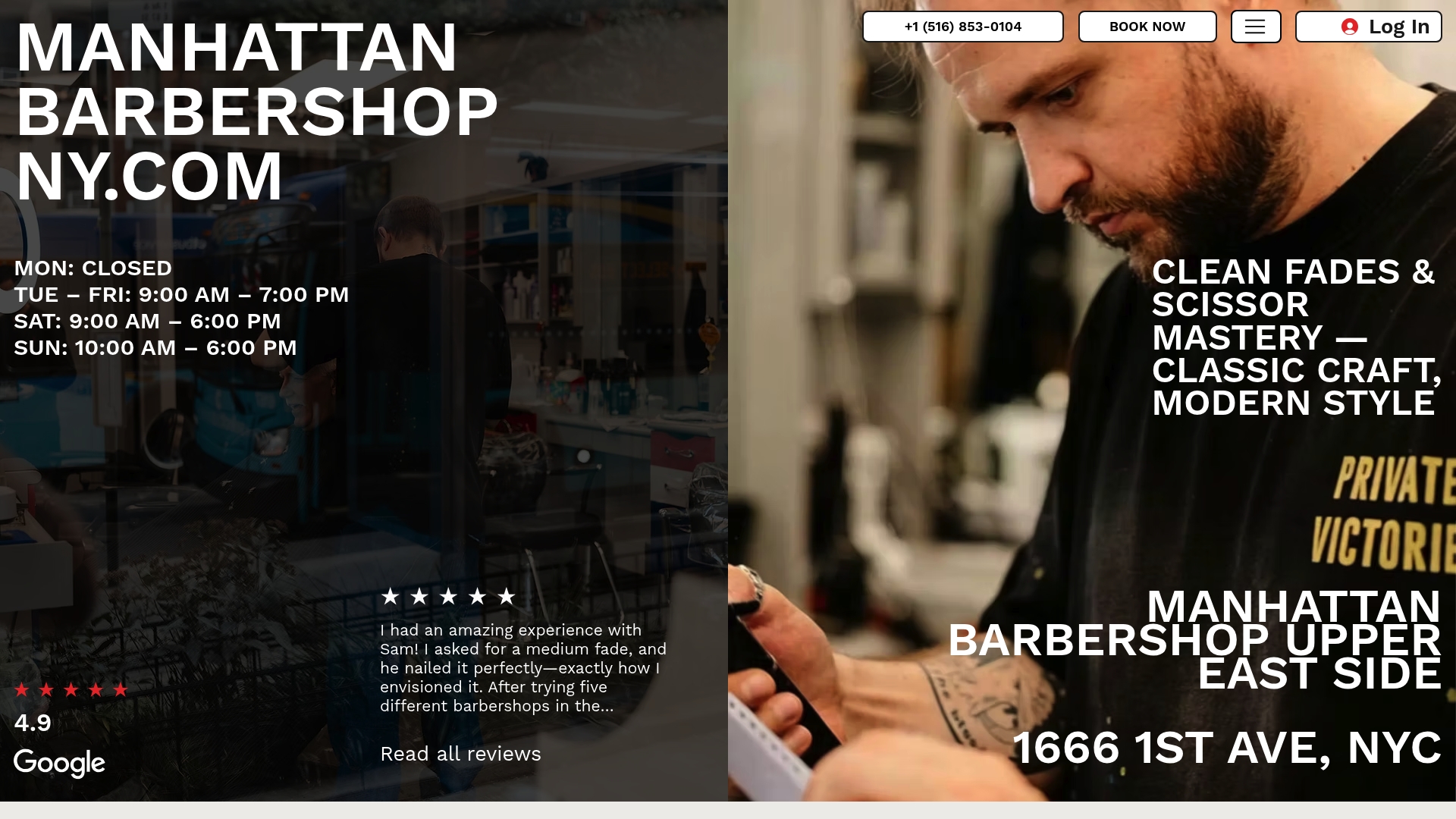
The shop specializes in clean fades and classic cuts that hold their shape for weeks, with a focus on natural looks that are easy to maintain at home. New clients receive a thorough consultation before any work begins. Returning clients get a barber who already knows their preferences. Book your appointment online or walk in to the Upper East Side location and experience what a truly personalized barbershop visit feels like.
FAQ
How do barbers remember client preferences between visits?
Barbers use digital client profiles that store clipper guard sizes, fade types, and product preferences linked to each appointment. Reviewing these profiles before a visit means the barber is prepared before you sit down.
What should I tell my barber to get a consistent haircut?
Use specific measurements and clipper guard numbers rather than vague descriptions. Anchoring your request to body landmarks, such as “fade to the skin one inch above the ear,” gives your barber a repeatable technical reference.
Does it help to bring a photo to my barber appointment?
Yes. Visual references reduce interpretation gaps faster than verbal descriptions alone. Bring a photo of what you want and one showing what you do not want for the clearest communication.
What happens if my regular barber is unavailable?
A shop with digital client profiles can have any barber replicate your style using the stored technical data. This is why detailed records matter more than relying on one barber’s personal memory.
How quickly should I rebook to stay a regular client?
Rebooking before you leave the shop is the most effective habit. Closing the gap between your first and second visit is the primary driver of becoming a long-term regular at any barbershop.
Recommended
Comments