What Is Hair Density in Barbering: A Clear Guide

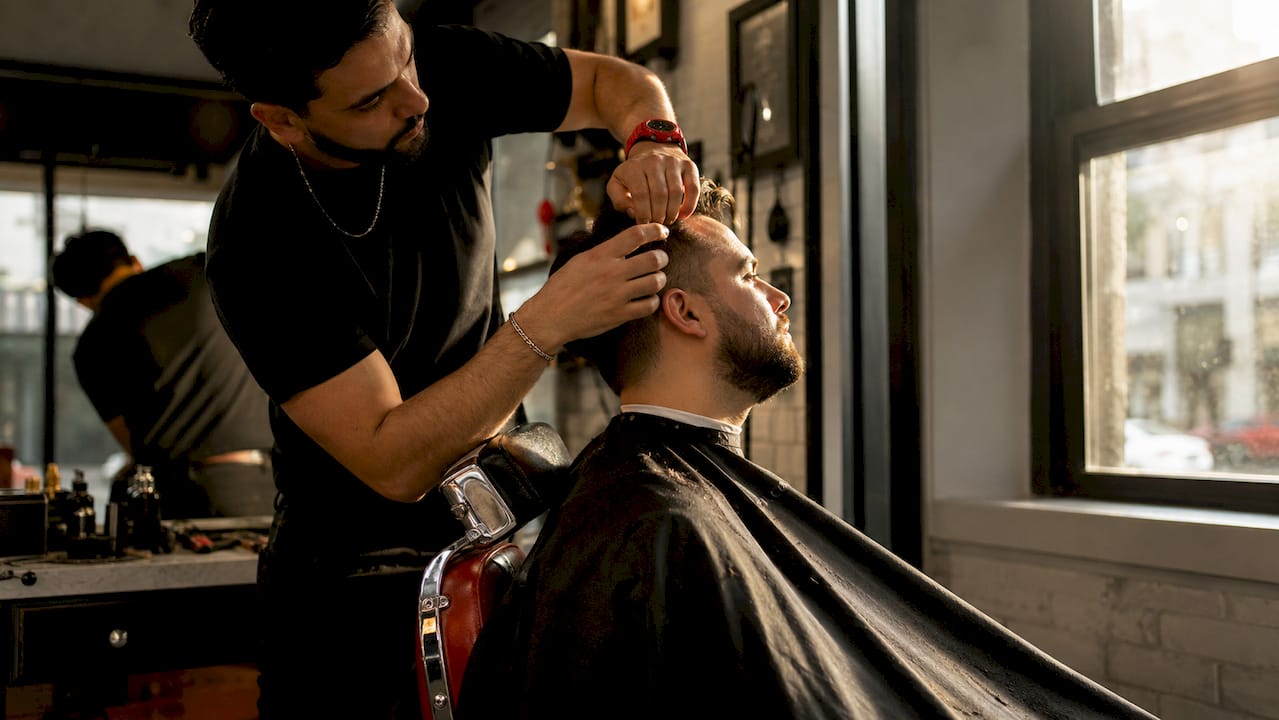
Hair density in barbering is defined as the number of individual hair strands per square inch on the scalp. A normal healthy scalp contains between 80,000 and 120,000 total hairs, which translates to roughly 2,200 to 3,000 strands per square inch. That count shapes every decision a skilled barber makes, from shear selection to fade technique to product recommendations. Understanding what is hair density in barbering is the first step toward getting a cut that actually works for your hair.
What is hair density in barbering and why does it matter?
Hair density is the count of strands packed into a given area of scalp. It is not the same as how thick or coarse each strand feels. A client can have fine, silky hair and still have very high density. That distinction changes everything about how a barber approaches the cut.
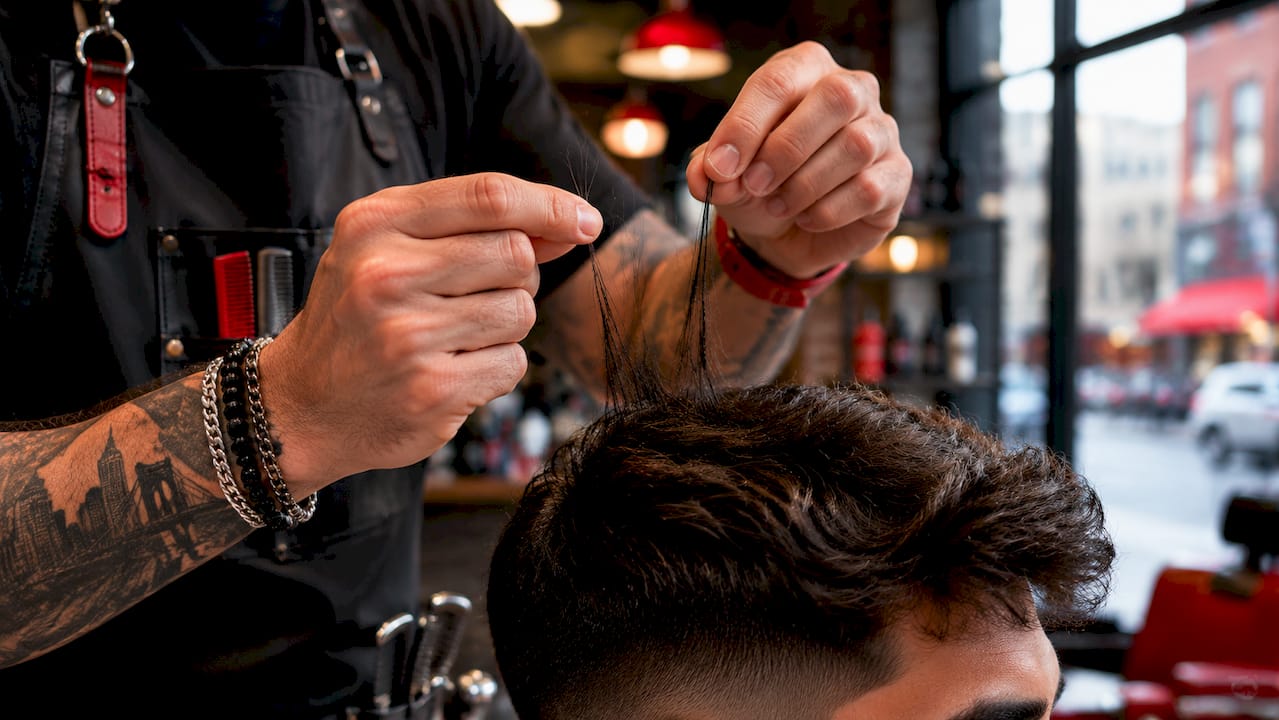
Hair density determines how full hair looks overall, which tools a barber reaches for, and which products will actually hold a style. Low density hair cut with the wrong shears looks patchy. High density hair left unmanaged looks heavy and shapeless. The importance of hair density in barbering is not cosmetic. It is structural.
At Manhattanbarbershopny, owner Eugene Solod builds every consultation around this assessment. Before a single cut is made, the barber evaluates density alongside texture and growth pattern. That combination tells the full story of what a haircut can and cannot do for a client.
How is hair density measured and categorized?
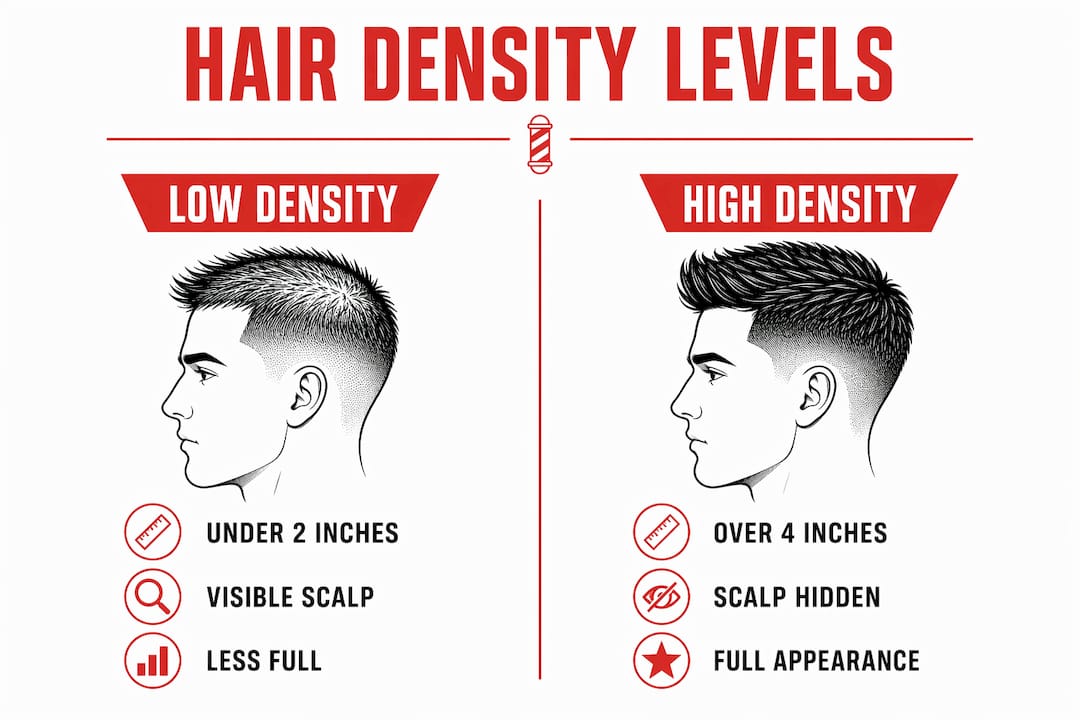
Barbers use two practical tests to assess density before cutting. The first is the ponytail circumference method. A ponytail under 2 inches in circumference indicates low density. A circumference of 2–4 inches signals medium density. Anything over 4 inches is high density. That single measurement gives a barber a reliable starting point before touching a client’s hair.
For short hair, the scalp visibility test works better. A barber parts the hair and checks how much scalp shows through. High scalp visibility means low density. Little to no scalp showing means high density. Medium density falls between those two extremes.
Professional barbers also use strand tests and volume lifting. Fine-textured hair can have high density despite looking sparse at first glance. Lifting a section and watching how it falls reveals actual volume far more reliably than a visual scan alone.
Pro Tip: A clean, freshly washed scalp gives the most accurate density reading. Loose hairs from a dirty scalp can mimic low density and lead a barber to over-cut sparse areas.
Density level | Ponytail circumference | Scalp visibility |
Low | Under 2 inches | Scalp clearly visible |
Medium | 2–4 inches | Scalp partially visible |
High | Over 4 inches | Scalp not visible |
How does hair density differ from hair texture and thickness?
Hair density and hair thickness are two separate measurements that barbers must not confuse. Density measures strand quantity per area. Thickness measures the diameter of a single strand. A client can have low density with coarse, thick strands. Another client can have high density with fine, thin strands. Both scenarios require completely different cutting approaches.
Hairstylists Ryan Richman and Sophia Porter both note that this confusion is one of the most common errors clients make when describing their hair. A person who says “I have thin hair” might mean low density, fine texture, or both. A barber who does not clarify the distinction risks cutting for the wrong characteristic.
Understanding hair thickness alongside density matters because the two factors combine to create the final visual result. Here is how each combination plays out in practice:
High density, fine strands: Hair looks very full but can lose shape quickly. Barbers use lighter shears and avoid heavy texturizing.
High density, coarse strands: Hair is both full and heavy. Requires bulk removal with texturizers and longer shears.
Low density, fine strands: Hair looks sparse and flat. Barbers avoid thinning shears entirely and focus on adding visual weight.
Low density, coarse strands: Hair can look wiry and uneven. Requires careful blending and controlled tension.
Knowing how hair type matters at the barbershop is what separates a barber who delivers a consistent result from one who guesses.
What impact does hair density have on barbering techniques?
Hair density directly controls tool selection, cutting angle, and blending strategy. Getting this wrong produces fades with gaps, haircuts that lose shape in days, and clients who do not return. Getting it right produces cuts that hold their form for weeks.
Here is how professional barbers adjust their approach by density level:
Tool selection by density. Low-density hair requires 30-tooth blenders and lighter tension to prevent visible gaps. High-density, coarse hair calls for heavier shears in the 6.0–6.5 inch range and 14–20 tooth texturizers to remove bulk without creating holes in the cut.
Fade technique adjustments. Barbers use the closed-to-open lever technique on low-density hair to build visual weight and keep fades looking consistent. On high-density hair, the same technique applied too aggressively creates uneven patches.
Avoiding over-thinning. Over-thinning fine or low-density hair is one of the most common barbering errors. It destroys the shape of the cut and makes sparse areas look even more exposed. Barbers should reduce tension and switch to blending shears rather than texturizing shears on low-density clients.
Managing scalp irregularities. Bone indentations and uneven scalp surfaces create dark spots during fades that look like barber error but are caused by subtle density variations in those zones. Skilled barbers compensate by stretching the skin and adjusting lever settings zone by zone rather than cutting deeper.
Building a density-matched toolkit. Professional barbers build toolkits with varying shear lengths and different tooth counts across their blenders and texturizers. A single pair of shears cannot serve every density type well.
Pro Tip: Always assess density on a clean canvas. Loose hairs from an unwashed scalp can make medium-density hair look sparse and lead to unnecessary over-cutting in healthy areas.
The hair density impact on styles is most visible in fades and tapered cuts. A low-density client who asks for a skin fade needs a barber who understands that the transition must be built with lighter passes and more blending. A high-density client asking for the same cut needs bulk removed first before any blending begins.
How to care for your hair based on density level
Caring for your hair at home becomes much easier once you know your density. The right products and habits protect the cut your barber worked to create.
Hair density affects product choice in a direct way. Low-density hair weighs down under heavy oils and thick leave-in conditioners. High-density hair tolerates richer products and benefits from layering. Using the wrong product for your density is one of the fastest ways to ruin a fresh cut.
Here are practical care tips organized by density level:
Low density: Use lightweight, volumizing shampoos and avoid heavy pomades or waxes. Products like Nioxin System 2 are formulated to boost hair density appearance with niacinamide and biotin for thinning hair. Focus on scalp health to support strand growth.
Medium density: Most styling products work well. Avoid over-applying any single product. Rotate between light creams and water-based pomades depending on the look.
High density: Use moisturizing conditioners and heavier styling creams to control bulk. A scalp brush used during washing helps distribute product evenly and keeps the scalp environment healthy under thick hair.
Hair density is influenced by genetics, hormones, and nutrition. Significant drops in density often trace back to nutritional deficiencies that take months to correct. Knowing this helps you set realistic expectations and communicate more clearly with your barber about what you are working with.
When you communicate your haircut needs to your barber, mention your density level directly. Say “I have low density with fine strands” rather than “I have thin hair.” That specificity gives your barber the information needed to choose the right tools from the first pass.
Key Takeaways
Hair density in barbering is the single most important variable a barber assesses before selecting tools, planning a fade, or recommending a product.
Point | Details |
Density is strand count, not strand size | Measure density by ponytail circumference or scalp visibility, not by how thick each strand feels. |
Tool choice depends on density | Low density needs 30-tooth blenders; high-density coarse hair needs 6.0–6.5 inch shears and 14–20 tooth texturizers. |
Over-thinning low density hair ruins the cut | Barbers must reduce tension and avoid texturizing shears on sparse or fine hair. |
Products must match density level | Heavy oils and leave-ins weigh down low-density hair; high-density hair tolerates richer formulas. |
Clean hair gives the most accurate read | Loose hairs on an unwashed scalp mimic low density and lead to over-cutting. |
What I have learned from reading density before every cut
The most common mistake I see clients make is describing their hair as “thin” when they actually mean low density. Those are not the same thing, and treating them as identical leads to cuts that never quite land. A client with low-density, coarse hair needs a completely different approach than one with low-density, fine hair. The word “thin” collapses that distinction and leaves the barber guessing.
Visual assessment alone is also unreliable. I have seen clients walk in with hair that looks full from across the room, only to find medium-low density once you part it and check the scalp. The ponytail test and the scalp visibility check take less than 30 seconds. Skipping them costs you the entire cut.
The other thing worth saying plainly: density is not fixed forever. Hormonal changes, diet, and stress all shift it over time. A client who had high density at 25 may be working with medium density at 40. Barbers who customize cuts individually reassess at every visit rather than assuming the same approach will work indefinitely. That habit is what separates a great barber from a consistent one.
If you walk into your next appointment knowing your density level, you will communicate better, get a more accurate cut, and leave with a style that holds longer. That is not a small thing.
— Evgenii
Get a density-matched cut at Manhattanbarbershopny

Manhattanbarbershopny specializes in cuts built around your actual hair, not a template. Every appointment starts with a consultation that covers density, texture, and growth pattern before a single tool is picked up. Eugene Solod and the team on the Upper East Side have built their reputation on cuts that hold their shape for weeks because they are designed for the hair in front of them. Whether you want a clean fade, a classic taper, or a bold Iroquois Cut shaped to your density, the approach stays the same: assess first, cut second. Book your appointment online and come in knowing your density level.
FAQ
What is hair density in simple terms?
Hair density is the number of hair strands packed into one square inch of scalp. A normal scalp holds between 2,200 and 3,000 strands per square inch.
How do I measure my hair density at home?
Pull your hair into a ponytail and measure its circumference. Under 2 inches is low density, 2–4 inches is medium, and over 4 inches is high density.
Can hair density change over time?
Yes. Hair density is influenced by genetics, hormones, and nutrition. Significant decreases often relate to nutritional deficiencies or hormonal shifts and can take months to reverse.
Why does hair density matter for a haircut?
Hair density determines which shears and blenders a barber uses, how fades are built, and which products will hold the style. Cutting without assessing density leads to gaps, uneven fades, and cuts that lose shape quickly.
Is hair density the same as hair thickness?
No. Density measures how many strands are present per area. Thickness measures the diameter of a single strand. You can have high density with fine strands or low density with coarse strands, and each combination requires a different cutting approach.
Recommended
Comments