Classic Men's Cuts That Last: Your Timeless Style Guide

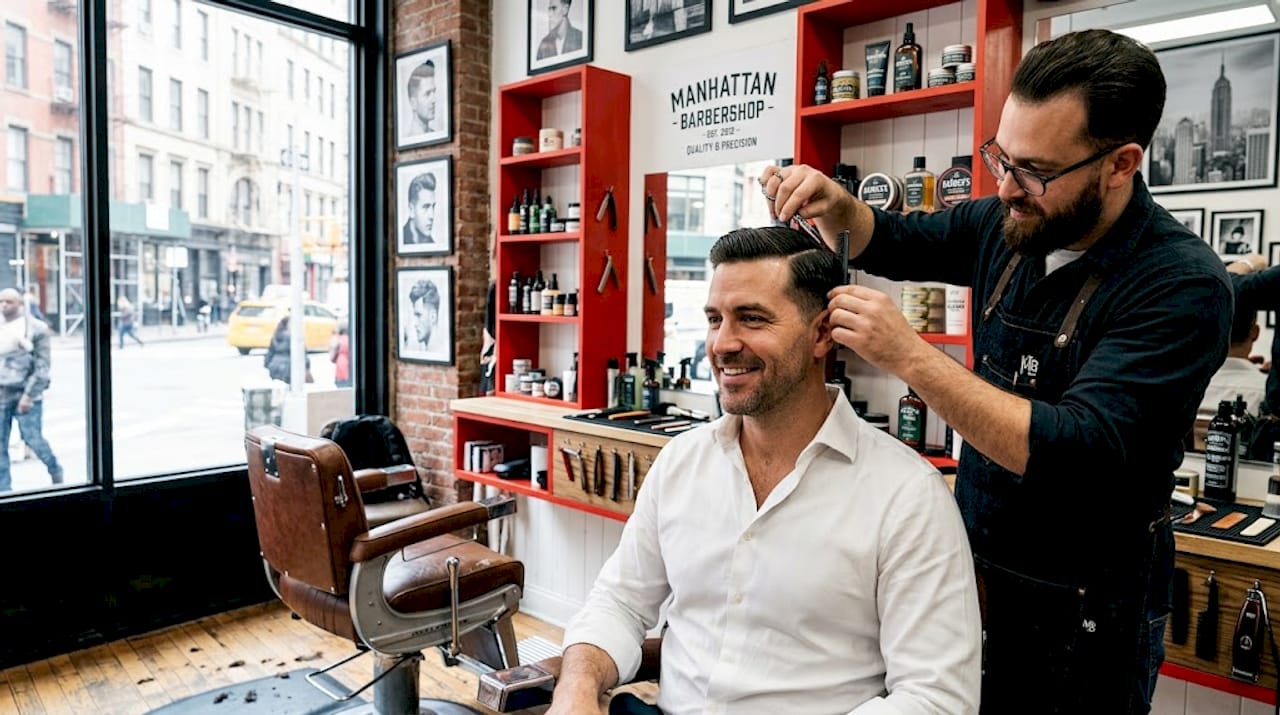
You already know the feeling. You walk out of the barbershop looking sharp, and two weeks later you’re wondering what happened. Finding classic men’s cuts that last is not about chasing the newest trend. It’s about choosing haircuts built for longevity, cuts that grow out gracefully, require minimal daily effort, and look intentional whether you’re on day three or day twenty-three. This guide breaks down exactly which cuts earn that reputation, why they work, and how to maintain them without turning grooming into a part-time job.
Table of Contents
Key takeaways
Point | Details |
Classic cuts outlast trends | Timeless men’s hairstyles like the Side Part and Taper hold their shape weeks after a trim. |
Maintenance windows vary | Depending on the cut, professional trims every 1 to 4 weeks keep classic styles looking intentional. |
Face shape and hair type matter | Choosing the right cut for your features and texture determines how long the style holds. |
Barber communication is critical | Bringing reference photos prevents misunderstandings and gets you the cut you actually want. |
Grooming is a ritual, not a reaction | Consistent care beats sporadic fixes for long-term hair health and style durability. |
Classic men’s cuts that last: how to choose the right one
Before you pick a style, you need a framework. Not every cut that looks great on someone else will work for your hair texture, face shape, or schedule.
What actually makes a cut “classic”
A classic men’s cut shares three qualities: it has existed across multiple decades without looking dated, it adapts to different settings without a wardrobe change, and it requires minimal product to look intentional. Think of it as the opposite of a trend cut, which demands constant upkeep and looks awkward the moment it starts growing out.
Key factors to evaluate before choosing
Maintenance frequency. Some cuts need a fresh line-up every week. Others hold their shape for a month. Know your schedule before you commit.
Growth tolerance. The best durable men’s haircuts grow out gracefully, meaning moderate top length and tapered sides that don’t look ragged as the hair fills in.
Styling simplicity. A cut that requires 20 minutes and four products every morning is not low-maintenance, regardless of how classic it looks.
Hair type compatibility. Thick, coarse hair holds structured styles longer. Fine hair benefits from cuts with less layering and more uniform length.
Professional context. If your job requires a polished appearance, cuts with cleaner lines and conservative proportions serve you better.
Pro Tip: Ask your barber which cut grows out the most naturally for your specific hair texture. That single question will save you more time and money than any product recommendation.
1. The side part
The Side Part is the definition of a professional classic. A hard or soft part is cut or combed into one side of the hair, with the top styled to sweep across. It suits oval, square, and rectangular face shapes particularly well.

Maintenance sits around two to three weeks before the part loses definition. The style works with or without product, which makes it genuinely versatile. A light pomade or cream keeps it polished for the office. Air-dried with no product, it still reads as intentional rather than messy.
The Side Part at Manhattanbarbershopny is one of their most requested cuts precisely because it crosses every setting without effort.
2. Classic with a low fade
This cut pairs a traditional top length with a low skin or shadow fade on the sides. The result feels youthful without looking juvenile, which is why it consistently ranks among the best classic haircuts for men across age groups.
The tradeoff is maintenance. A low fade starts to blur within one to two weeks, so you need more frequent visits to keep the contrast sharp. If you can commit to that schedule, the payoff is a cut that looks deliberately styled at all times.
The Ivy League fade earned its reputation in professional circles by balancing youthfulness with discipline, avoiding the extremes of either a shaved head or an untouched mop.
3. The gentleman’s cut
This is the cut for men who want to look put-together without looking like they tried too hard. The Gentleman’s Cut keeps more length on top than a standard short cut, with tapered or scissor-cut sides that blend gradually rather than fade sharply.
The longer maintenance window of three to four weeks makes it one of the most practical options on this list. Hair grows into the style rather than away from it. You get more time between visits without sacrificing the look.
4. Taper sides
Taper sides refer to a gradual reduction in hair length from the top of the ear down to the neckline, without going to skin. It’s subtle, clean, and works on nearly every face shape.
This cut is a workhorse for busy men. The taper softens as it grows, but never looks unkempt. Two weeks out from a fresh cut, it still reads as groomed. The classic short cut with tapered sides grows out gracefully compared to sharper fades, needing minimal styling to stay balanced.
5. The even steven
The Even Steven is exactly what it sounds like: uniform length across the entire head. No fades, no hard parts, no dramatic layering. Just clean, consistent length from front to back.
This cut champions balance over drama. The Even Steven emphasizes equal length for a disciplined look that also supports long-term scalp health. Because there are no sharp transitions to maintain, it holds its shape longer than most cuts and requires almost no daily styling effort.
It’s an underrated pick for men who want to look groomed without thinking about it.
6. The Patrick Bateman slick back
This is the cut for men who want presence. Medium to long length on top, tapered (not faded) sides, and the top styled back with a quality pomade or light gel. It signals authority and control when executed well.
The Patrick Bateman haircut maintains a timeless image of control with medium-long top layers and tapered sides. It persists as a symbol of polish rather than fleeting trendiness. The catch is that it requires intentional styling each morning. Without product, the top falls forward and the look collapses. If you’re willing to spend three to five minutes with a comb and a quality product, this cut rewards the effort.
Pro Tip: For the slick back, less product is almost always better. A pea-sized amount of medium-hold pomade worked through damp hair gives you control without the greasy finish that kills the look.
For more on styling and maintaining this cut, slick back technique from Manhattanbarbershopny covers the details.
7. The regular haircut
Sometimes the most durable choice is the simplest one. The Regular Haircut, sometimes called the standard short cut, keeps hair short on the sides and slightly longer on top with no dramatic styling required.
Classic short haircuts look good even after two weeks of growth due to moderate top length and tapered sides. This cut is the backbone of timeless men’s hairstyles for a reason. It works in every setting, requires almost no product, and grows out without becoming an eyesore.
Comparing classic cuts: maintenance, style, and fit
Here’s a side-by-side look at how these cuts stack up on the factors that matter most.
Cut | Maintenance window | Styling effort | Best face shapes | Versatility |
Side Part | 2 to 3 weeks | Low to medium | Oval, square, rectangular | Very high |
Classic + Low Fade | 1 to 2 weeks | Low | Most shapes | High |
Gentleman’s Cut | 3 to 4 weeks | Low | Round, oval | High |
Taper Sides | 2 weeks | Very low | Universal | Very high |
Even Steven | 3 to 4 weeks | Minimal | Universal | High |
Patrick Bateman Slick Back | 3 weeks | Medium | Oval, oblong | Medium |
Regular Haircut | 2 to 3 weeks | Minimal | Universal | Very high |
One thing worth noting: the cuts with longer maintenance windows tend to have lower styling demands. That’s not a coincidence. Cuts that rely on sharp contrast, like the low fade, need frequent refreshing to look intentional. Cuts built on gradual transitions and uniform length age more gracefully.
How to decide which classic cut is right for you
Choosing among popular men’s styles that last comes down to honest answers to a few direct questions.
How much time do you spend on your hair each morning? If the answer is under two minutes, rule out anything that requires product and a comb.
How often can you realistically get to a barber? If monthly is your max, focus on the Gentleman’s Cut, Even Steven, or Regular Haircut.
What does your professional environment expect? Conservative offices favor the Side Part or Gentleman’s Cut. Creative fields give you more latitude.
What’s your hair texture? Thick hair holds structured styles. Fine hair benefits from the Even Steven or Regular Haircut, where uniform length creates the illusion of density.
Once you have those answers, bring reference photos to your appointment. Bringing reference images prevents misunderstandings because terms like “tapered” or “short on the sides” mean different things without a visual guide.
And if you’re growing your hair out, don’t skip trims. Structural reshaping trims every 8 to 12 weeks during growth phases manage awkward stages without sacrificing length. The goal is to keep the shape intentional while the length builds.
Pro Tip: Tell your barber your lifestyle, not just the cut name. “I need something I can air-dry and wear to client meetings” gives them more useful information than “I want a Side Part.”
Knowing what distinguishes great barber skills also helps you find someone who will actually listen and deliver.
My honest take on classics versus trends
I’ve watched men cycle through trend cuts for years. Disconnected undercuts, textured crops, hard-part fades with designs. Some of them looked great for about three weeks. Then the grow-out hit, and suddenly they were either back in the chair or walking around with a cut that no longer made sense.
Here’s what I’ve learned: the men who consistently look the sharpest are not the ones chasing trends. They’re the ones who found two or three cuts that work for their face and hair, and they stick with them.
There’s also a myth worth killing. A lot of men think trimming more often makes their hair grow faster. It doesn’t. Hair grows biologically at roughly 1.25 cm per month regardless of how often you cut it. Trims improve appearance and prevent split ends. That’s the whole job.
What actually matters is treating grooming as a consistent ritual, not a reaction to a bad hair day. When you schedule your trim before you need it, your cut never looks neglected. That discipline, more than any specific style, is what separates men who always look put-together from men who look great once a month.
The Even Steven, in my view, is the most underrated cut on this list. It’s not exciting. It won’t get you compliments the way a sharp fade will. But it looks good on day one and day thirty, and that kind of reliability is worth more than most men realize.
— Evgenii
Get a classic cut that actually holds its shape
If you’ve been cycling through cuts that look great for a week and fall apart after that, the issue is usually execution, not the style itself. A well-executed classic cut, done by a barber who understands your hair type and face shape, holds its form significantly longer than the same cut done carelessly.

Manhattanbarbershopny specializes in exactly this. From the Side Part to the Iroquois Cut to the Regular Haircut, every service is tailored to your specific hair type and lifestyle. Owner Eugene Solod built the shop around the idea that a great cut should require minimal daily effort and look sharp weeks after you leave the chair. You can review pricing plans online and book your appointment in minutes. No guesswork, no generic cuts.
FAQ
What is a classic men’s cut?
A classic men’s cut is a hairstyle that has remained stylish across decades, adapts to multiple settings, and requires minimal product to look intentional. Examples include the Side Part, Taper Sides, and Regular Haircut.
How long do classic men’s cuts last between trims?
Depending on the style, classic cuts hold their shape for one to four weeks. Cuts like the Even Steven and Gentleman’s Cut have the longest maintenance windows, while low fades need refreshing every one to two weeks.
How do I maintain a classic cut at home?
Use a small amount of product suited to your hair type, keep your scalp clean, and schedule trims before the cut starts looking neglected. Trim intervals of 4 to 6 weeks work well for men maintaining shape during a grow-out phase.
Does trimming hair more often make it grow faster?
No. Hair grows at a fixed biological rate of roughly 1.25 cm per month. Trimming keeps the style looking clean and prevents split ends, but it does not affect how fast your hair grows.
Which classic cut works for most face shapes?
The Taper Sides and Regular Haircut work on nearly every face shape because they use gradual transitions rather than sharp contrasts. When in doubt, ask your barber to assess your face shape before choosing.
Recommended
Comments